
The City That Drives Itself: How Tesla's Cybercab Is Building the Blueprint for Tomorrow's Urban Mobility
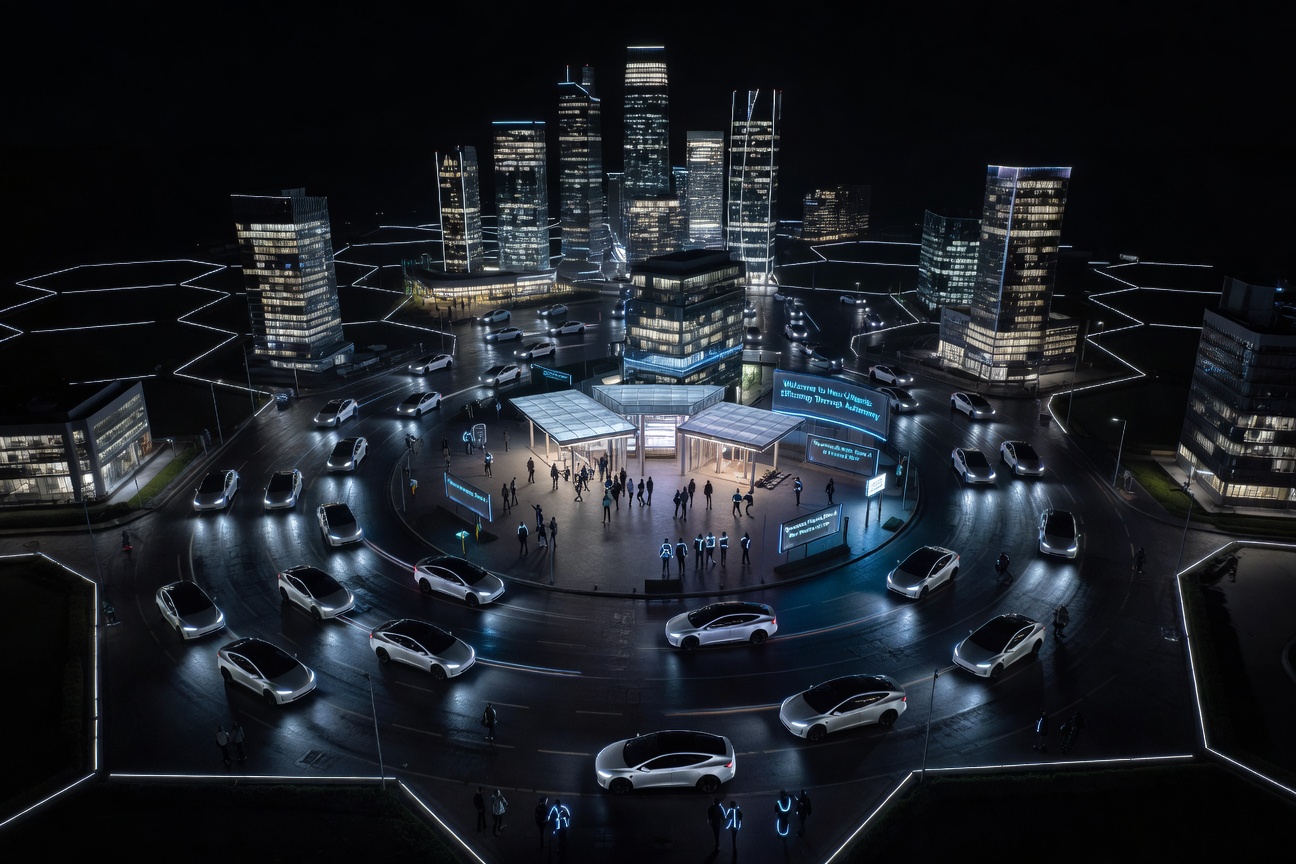
Picture a city planner in 2035 trying to explain traffic jams to a class of ten-year-olds. The blank stares she receives might not be so different from the ones today's children give when asked to imagine a rotary telephone. That future, once the exclusive territory of science fiction writers and overconfident keynote decks, is now being assembled bolt by bolt, line of neural-network code by line of neural-network code, inside Tesla's engineering ecosystem. The Cybercab is not simply a new vehicle. It is a practical answer to a century-old question: what happens when the machine gets better at driving than the person sitting inside it?
From Fleet Concept to Physical Reality
Tesla unveiled the Cybercab to a genuinely stunned crowd in late 2024, but the engineering story behind it stretches back through millions of real-world miles accumulated by the Full Self-Driving platform. Every near-miss on a rain-slicked intersection, every phantom braking event that engineers subsequently corrected, every edge case that FSD navigated without incident fed a training corpus that now underpins the Cybercab's operating logic. This is not vaporware dressed in sculpted bodywork. It is the product of one of the most aggressive real-world AI training programs ever conducted on public roads.
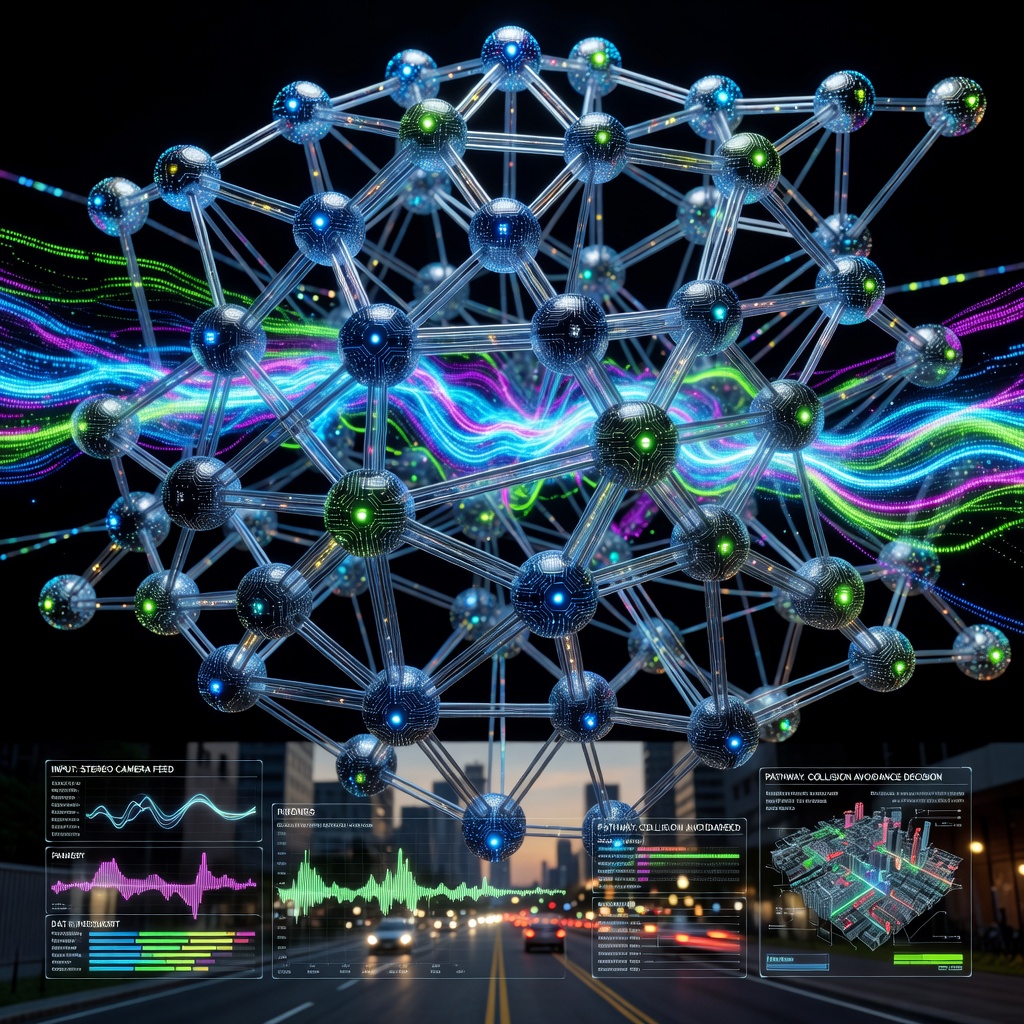
What distinguishes Tesla's approach from competitors is the sheer density of its feedback loop. While other autonomous vehicle programs relied heavily on lidar-equipped test fleets running limited routes in geofenced zones, Tesla deployed millions of consumer vehicles as rolling data collectors. The result is a model trained on the beautiful, infuriating, and occasionally bewildering complexity of actual human driving behavior across dozens of countries, climates, and road conditions. By the time the Cybercab enters commercial service, its decision-making architecture will have been stress-tested against a dataset that would take any clean-room competitor decades to replicate.
The Engineering Choices That Actually Matter
Strip away the spectacle and the Cybercab's most consequential design decisions are surprisingly pragmatic. The vehicle is built without a steering wheel or pedal assembly, a choice that reads as theater until you understand the engineering rationale. Removing those components is not a publicity stunt. It fundamentally changes the interior geometry, reduces manufacturing complexity, lowers the vehicle's center of gravity, and signals to regulators and insurers alike that Tesla is not building a car that humans are expected to take over in an emergency. This is a statement of confidence encoded in sheet metal.
The vision-only sensor approach, which Tesla has championed against considerable industry skepticism, now looks increasingly prescient from a cost perspective. A lidar unit capable of the resolution needed for urban autonomy still costs more than the entire sensor budget Tesla allocates per vehicle. At the scale Tesla is targeting, perhaps eventually millions of Cybercabs operating across North America and Europe, that cost delta does not merely matter. It determines whether the economics of a robotaxi network make sense at all. Affordable autonomous transport that actually reaches working-class neighborhoods, rather than serving as a luxury novelty in downtown cores, depends on cracking this cost equation. Tesla's bet is that cameras, compute, and clever training data can substitute for expensive hardware. The accumulating evidence from FSD deployments suggests that bet is paying off faster than most analysts predicted.
"The companies that will define autonomous transport won't be the ones with the most exotic sensors. They'll be the ones who figured out how to make the whole system reliable, scalable, and affordable at once."
The Network Effect Nobody Is Talking About
Here is the underappreciated variable in every robotaxi forecast: a single autonomous vehicle is a curiosity. Ten thousand of them operating as a coordinated network are a piece of urban infrastructure. Tesla's roadmap explicitly targets the latter. The company's energy division, its Megapack deployments, and its expanding Supercharger network are not tangentially related to the Cybercab business. They are load-bearing pillars of it.
Consider the logistics of managing a fleet of electric robotaxis in a dense urban environment. Every vehicle needs to charge, ideally during off-peak demand windows. Every vehicle needs software updates, remote diagnostics, and occasional physical maintenance. Every surge in ride demand needs to be met with dynamically routed vehicles rather than drivers who might be asleep or busy. Tesla is building the operational nervous system for this kind of network right now, inside its existing consumer vehicle infrastructure. The Cybercab inherits all of it from day one.
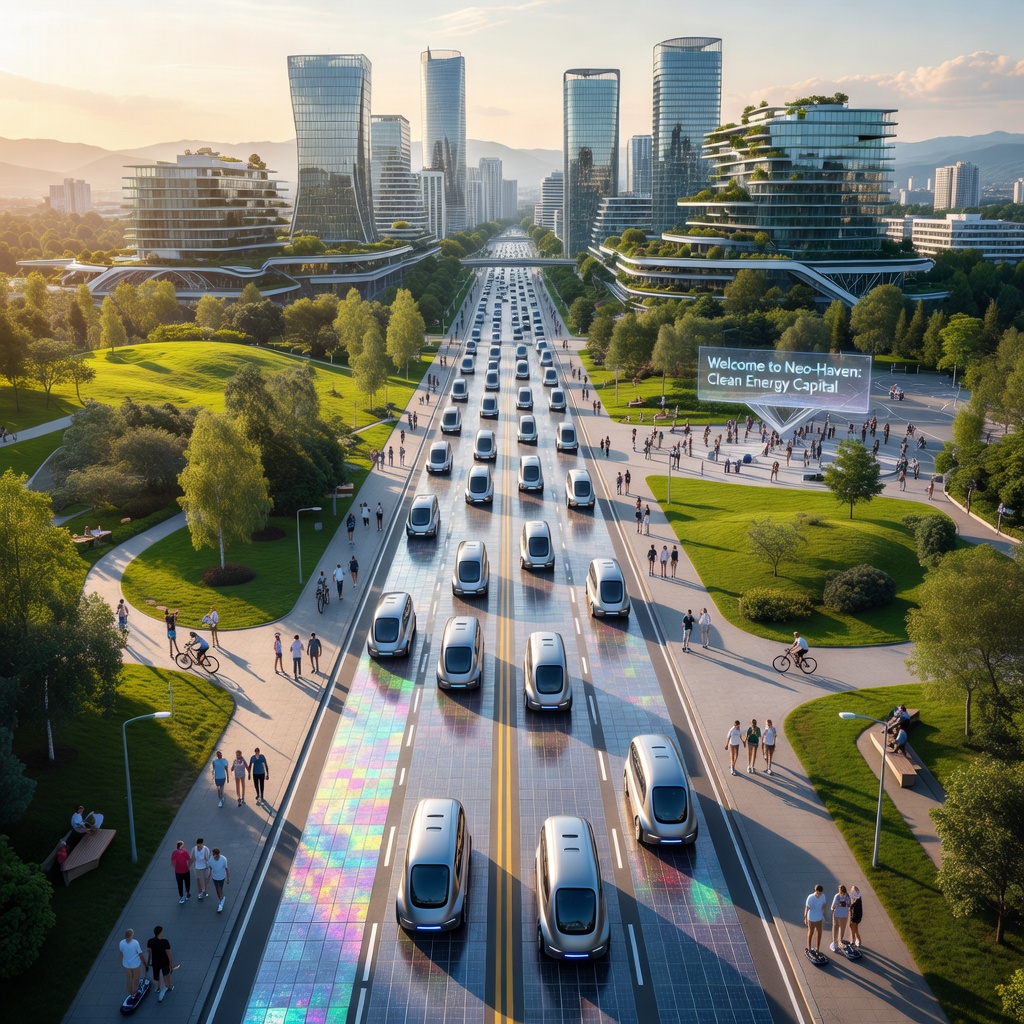
This is the network effect that competitors running small, purpose-built fleets cannot easily replicate. When Tesla says it plans to open the Cybercab platform to third-party vehicle owners, the implication is even broader. An owner who parks their personal Tesla during work hours could effectively rent it out to the robotaxi network, earning passive income while the vehicle pays down its own financing. This model reframes personal vehicle ownership not as a depreciating liability but as an asset generating yield. For the target demographic of Tesla's primary buyers, that is a genuinely compelling financial proposition.
Regulatory Progress: Slower Than Headlines, Faster Than History
Regulatory timelines for autonomous vehicles remain the wild card that keeps serious analysts humble. Yet the trend line is unmistakably positive. California, Texas, Arizona, and Florida have all moved to create clearer frameworks for commercial robotaxi operations over the past two years. Federal guidelines from the NHTSA are progressively accommodating vehicles that do not conform to traditional driver-present design assumptions. The Cybercab's no-steering-wheel configuration will still require specific exemptions in many jurisdictions, but the machinery for granting those exemptions exists and is being actively used.
International markets present a more heterogeneous picture, but several of them are moving faster than the United States. Certain Chinese municipalities have effectively issued blanket approvals for autonomous commercial operations within defined zones, creating competitive pressure that is quietly accelerating American regulatory timelines. The geopolitical dimension of autonomous vehicle leadership is not lost on policymakers who watched the semiconductor supply chain crises of the early 2020s and have no appetite for repeating that experience in transportation AI.
What a Cybercab Actually Costs to Ride
Elon Musk has floated a target ride cost in the range of twenty cents per mile for Cybercab trips, a figure that sounds implausible until you deconstruct it. Remove the driver, who accounts for sixty to seventy percent of a traditional rideshare operator's cost structure. Add back charging costs, maintenance, insurance, and fleet management overhead. Run the numbers at scale with vehicles that operate twenty or more hours per day rather than the eight to ten a human driver can manage. The math, while still optimistic, is no longer obviously wrong.
Even at double or triple that target price, a commercially viable Cybercab service would undercut conventional rideshare pricing significantly. For the roughly thirty percent of American adults who do not drive due to age, disability, or economic constraint, affordable autonomous transport is not a convenience upgrade. It is a meaningful expansion of mobility and, by extension, economic opportunity. This is the dimension of the robotaxi story that rarely gets the attention it deserves amid the technology debates.
Building Something Worth the Wait
Skeptics have been predicting Tesla's autonomous ambitions would collapse under the weight of technical complexity and regulatory friction for at least a decade. Each revision of that prediction has required pushing the timeline of failure further into the future. At some point, consistent forward progress stops looking like luck and starts looking like engineering.
The Cybercab represents the most concrete materialization yet of a vision that Musk has pursued since the first FSD beta shipped to customers. It is imperfect, it carries real risks, and its commercial rollout will almost certainly encounter friction that the optimistic projections do not fully price in. But it is also the product of more cumulative real-world testing, more iterated software development, and more integrated ecosystem planning than any competing platform currently operating. The city that drives itself is not a fantasy anymore. It is a project under active construction, and Tesla is one of its primary architects.

Alex Rivera
Tech journalist covering Elon Musk’s companies for over 8 years.