
Ghost Rides and Ghost Roads: How Tesla's Cybercab Is Rewriting the Physics of Urban Mobility
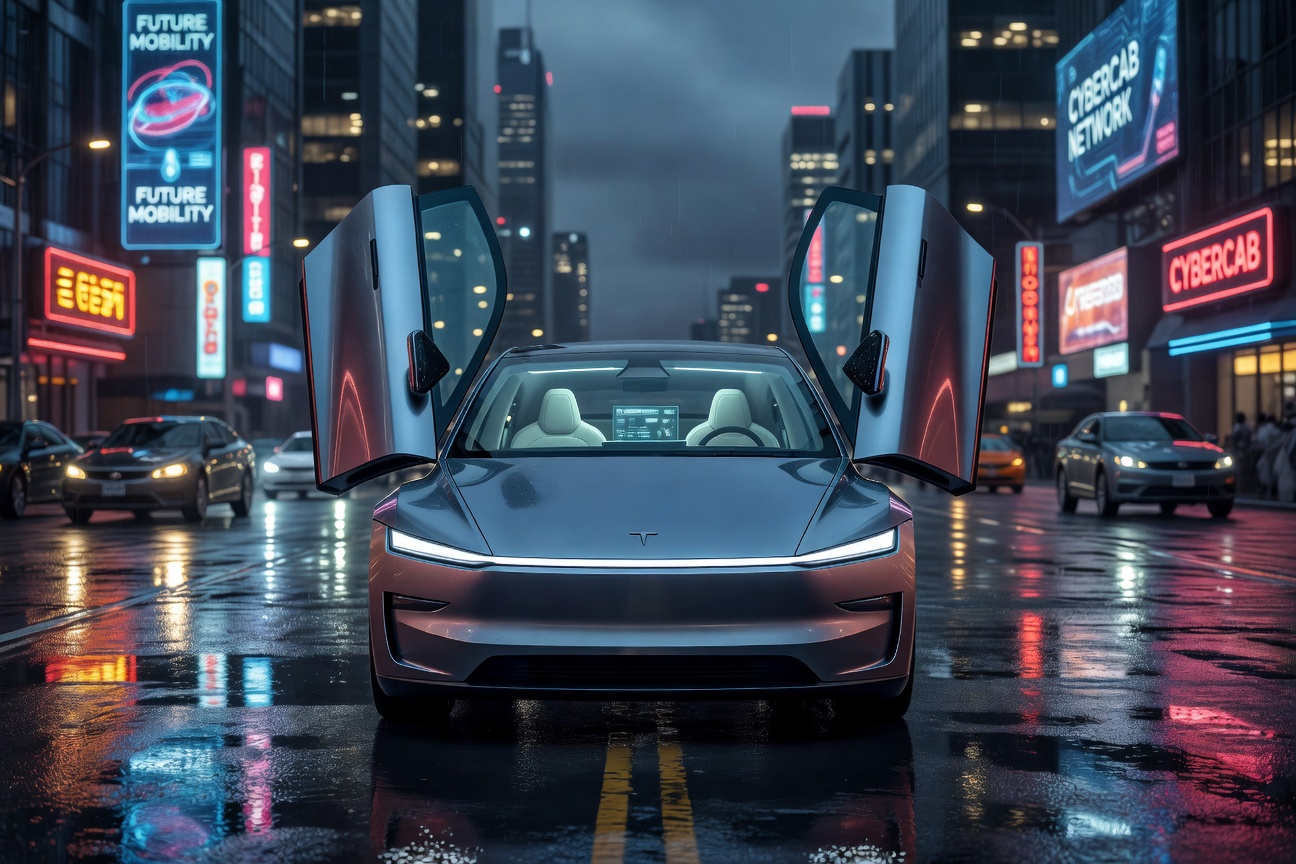
Picture a Tuesday morning in 2026. A Tesla Cybercab glides to a curb in Austin, Texas, summoned by a smartphone tap at 6:47 a.m. There is no driver seat. There is no steering wheel. The interior smells faintly of ozone and new polymer, and a small screen greets the passenger by first name. The car already knows the destination, has already negotiated a dynamic route around a fender-bender on I-35, and has already calculated that the 11-minute ride will cost $1.80. No surge pricing. No awkward small talk. No tip prompt. The car simply moves, guided by a neural network that has absorbed more road hours than every licensed human driver on Earth combined. This is not speculative fiction. It is the operational blueprint Tesla is actively stress-testing right now, and the gap between that Tuesday-morning scenario and today is narrowing faster than most analysts expected.
The Machine That Killed the Dashboard
When Tesla unveiled the Cybercab prototype in October 2024 at its "We, Robot" event in Hollywood, the automotive press focused heavily on aesthetics: the butterfly doors, the compact two-seat footprint, the conspicuous absence of pedals. What received less attention was the philosophical statement embedded in the hardware itself. Every conventional vehicle, even the most advanced electric ones, is engineered around the assumption that a human being might need to take control at any moment. Redundant brakes, override switches, tactile steering feedback, heads-up displays calibrated for human reaction times -- all of it exists as a concession to biological fallibility. The Cybercab eliminates that concession entirely. It is not a car with autonomy bolted on. It is autonomy that happens to carry passengers, a distinction with enormous engineering and regulatory consequences.
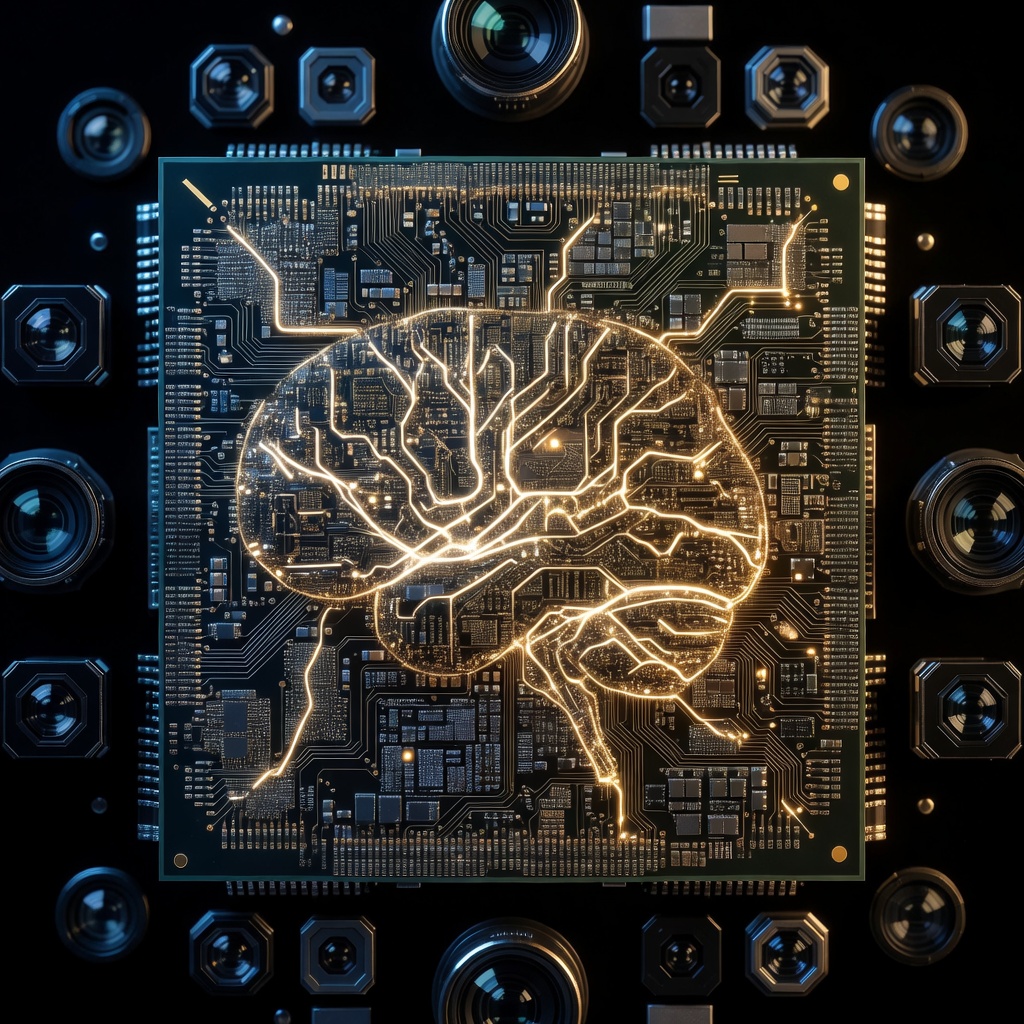
The vehicle is designed around Tesla's custom FSD computer, currently in its Hardware 4 iteration, paired with a camera-only sensor suite that Musk has defended against radar-and-lidar orthodoxy with characteristic stubbornness. The argument is biomimetic: human drivers navigate exclusively through vision and learned spatial reasoning, so a sufficiently powerful vision-based AI should be able to do the same, at lower cost and with far more scalable data pipelines. Critics from Waymo and the broader autonomy community remain skeptical, pointing to edge cases in adverse weather and sensor occlusion scenarios. Tesla's counterargument is empirical: FSD has now accumulated billions of real-world miles, a dataset so vast it constitutes a structural moat that no competitor can replicate quickly.
FSD: From Party Trick to Commercial Infrastructure
The trajectory of Full Self-Driving as a product has been, to put it diplomatically, non-linear. Launched as a premium subscription in 2020 amid promises of imminent full autonomy, it spent several years as an impressive but legally cautious driver-assistance system that still demanded hands on the wheel and eyes on the road. Version 12, released in late 2023 and refined aggressively through 2024, marked a genuine architectural shift. Rather than a rules-based system patched with machine learning, V12 is an end-to-end neural network that ingests raw camera input and outputs steering and acceleration commands with minimal human-coded intermediaries. Early adopters documented the difference immediately: the car stopped behaving like a robot following a script and started behaving like a nervous but capable new driver developing genuine intuition.
By mid-2025, Tesla had deployed what it called a "supervised" robotaxi service in Austin and San Francisco, allowing select employees and then invited public users to summon Tesla vehicles operating under FSD with a remote monitoring capability rather than a physical safety driver. The distinction matters legally and commercially. Remote monitoring is vastly cheaper than in-car supervision, and it scales. One remote operator can theoretically oversee dozens of vehicles simultaneously, compressing the labor cost per mile toward something approaching zero. That is the economic unlock the entire autonomous vehicle industry has been chasing for a decade, and Tesla appears to be the first company threading that needle at consumer-accessible price points.
The Network Effect Nobody Is Talking About
Here is the underappreciated structural advantage in Tesla's robotaxi strategy: the company already owns the largest privately operated charging infrastructure in North America, and the Cybercab is designed to charge inductively, meaning it can autonomously navigate to a wireless charging pad without any human intervention. A conventional ride-hailing fleet requires human drivers to fuel or charge vehicles, which introduces a labor bottleneck that caps utilization rates. A fully autonomous fleet that can self-dispatch to charging between rides theoretically maintains utilization rates above 80 percent, compared to the roughly 50 to 60 percent ceiling for human-driven services. At scale, that difference in utilization is not incremental. It is transformative. It means each vehicle generates nearly twice the revenue per unit of capital deployed, which in turn means Tesla can price rides at a fraction of Uber's cost floor while still generating strong margins.
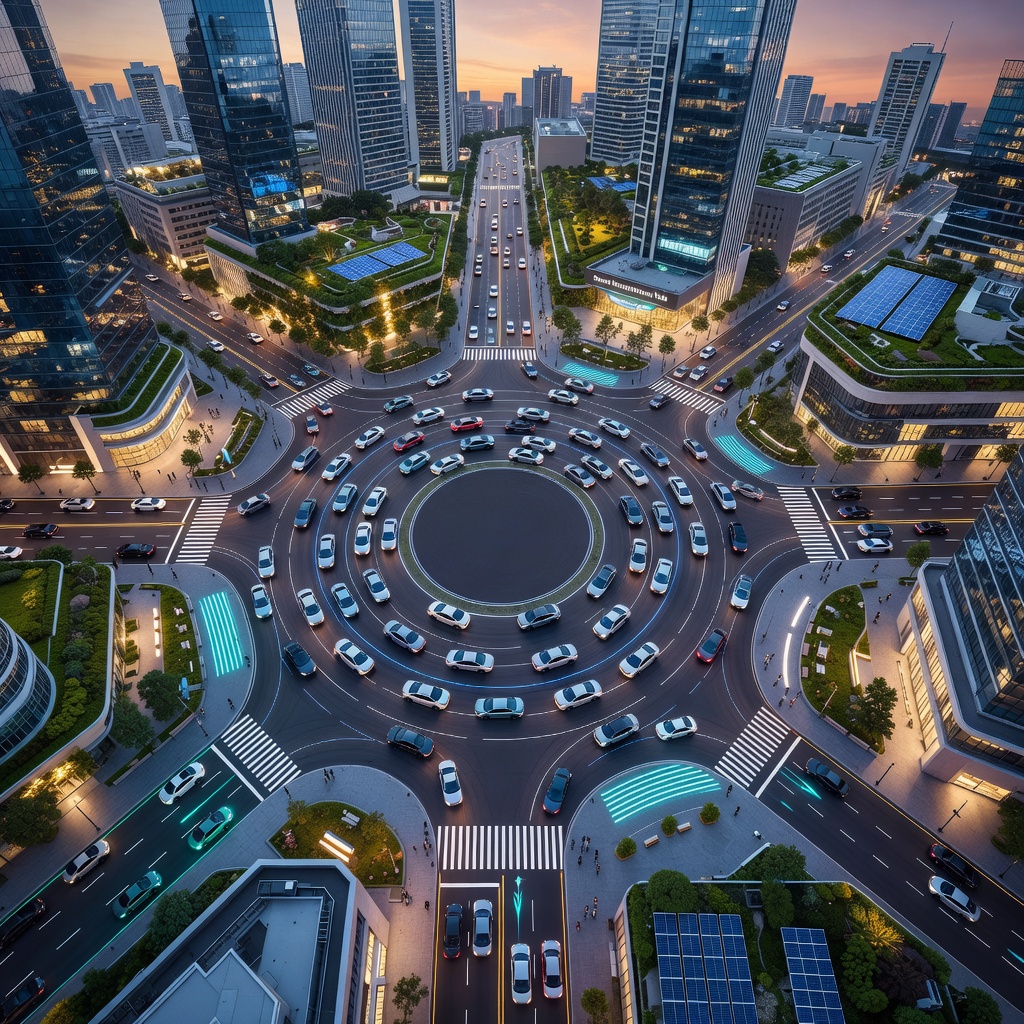
Musk has publicly projected per-mile costs of around $0.25 to $0.35 for the Tesla robotaxi network, compared to approximately $1.50 to $2.00 for current ride-hailing platforms. Even discounting for characteristic Musk optimism, a cost reduction of 60 to 70 percent would be the most significant disruption to urban transportation economics since the internal combustion engine made horses obsolete. The ripple effects extend well beyond ride-hailing. Reduced transportation costs increase effective purchasing power for low-income urban residents, lower the cost of last-mile logistics, and potentially accelerate the decline of personal car ownership in dense cities, with profound implications for parking infrastructure, urban planning, and municipal tax bases.
Regulatory Reality and the Friction of Bureaucracy
The most significant variable in Tesla's robotaxi timeline is not technology. It is governance. California's Department of Motor Vehicles, the National Highway Traffic Safety Administration, and a patchwork of municipal authorities each maintain overlapping and sometimes contradictory frameworks for autonomous vehicle deployment. Waymo spent years and hundreds of millions of dollars securing the permits necessary to operate commercially in San Francisco and Phoenix, a process that involved exhaustive safety data submissions, public comment periods, and politically fraught negotiations with taxi unions and city councils.
Tesla's approach has been characteristically confrontational. Rather than seeking permits quietly, the company launched its supervised service in Texas, a state with a notably lighter regulatory touch on autonomous vehicles, and treated it as both a commercial pilot and a public pressure campaign. The implicit message to regulators nationwide: the technology is here, the public wants it, and excessive caution is a policy choice with real human costs measured in traffic fatalities. The United States averages roughly 40,000 road deaths per year, almost all attributable to human error. If autonomous vehicles demonstrably reduce that toll, the ethical calculus of delay shifts uncomfortably against the regulators, not the deployers.
What Comes After the First Ghost Ride
Tesla has not published a definitive commercial launch date for the Cybercab beyond Musk's stated goal of broad availability in 2026. History suggests treating that target with calibrated skepticism while simultaneously recognizing that Tesla's execution, however delayed, has consistently arrived. The Model 3 was late. FSD was late. The Cybertruck was spectacularly late. And yet all of them exist, ship in volume, and have reshaped their respective markets.
The more interesting question is not when the first commercial Cybercab rolls out, but what the transportation landscape looks like five years after that moment. If Tesla achieves even a fraction of its projected cost reductions, it will trigger a repricing event across the entire mobility sector. Insurance models built on human-driver risk profiles will require fundamental reconstruction. Urban real estate, currently absorbing roughly 30 percent of city land for parking, will face pressure to repurpose toward housing and green space. And the 3.5 million Americans currently employed as drivers will face a labor market transition that demands serious policy attention.
None of this is inevitable, and none of it is imminent in a single dramatic rupture. Technological transitions of this magnitude happen in slow waves before they happen in sudden floods. But the wave is already moving. The Cybercab is not a concept car anymore. FSD is not a beta feature anymore. The ghost rides are coming, and the roads are already learning to accommodate them.
Alex Rivera
Tech journalist covering Elon Musk’s companies for over 8 years.