The Consent of Neurons: What Scholars, Ethicists, and Engineers Actually Disagree About in the BCI Revolution
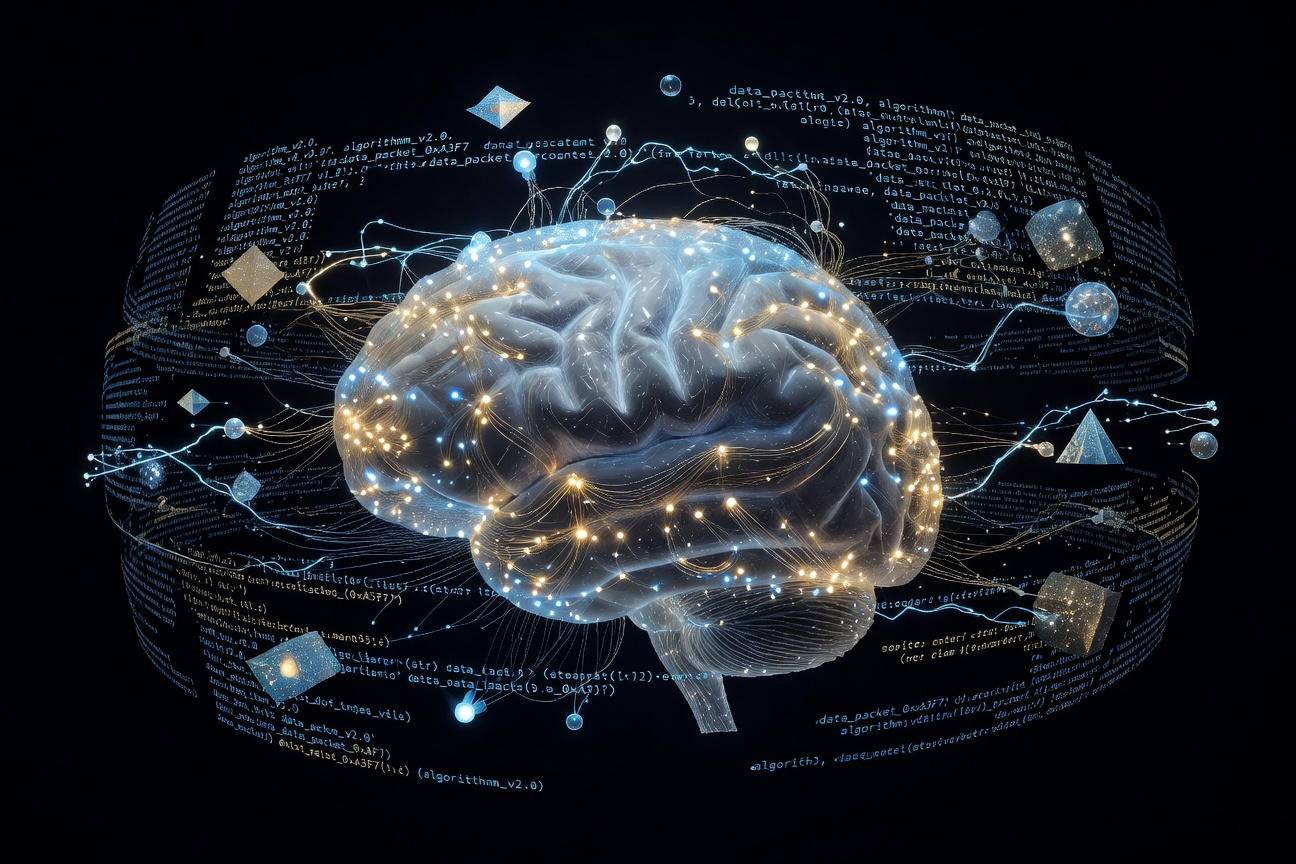
Picture a courtroom where the defendant is your own prefrontal cortex. The prosecution argues that decades of neurological disease have silenced it. The defense insists it still speaks, just in a dialect no one has yet learned to translate. Brain-computer interface technology walks in as the interpreter and suddenly everyone in the room disagrees about whether it should be trusted, who hired it, and whether it is really translating at all or subtly rewriting the testimony. That tension, simultaneously scientific, philosophical, commercial, and deeply personal, is the actual state of the BCI debate in 2025, and it is far messier, far richer, and far more consequential than any single breakthrough headline can capture.
The Measurement Problem Nobody Wants to Advertise
Start with a foundational dispute that rarely escapes peer-reviewed journals into public conversation: we do not have consensus on what a brain-computer interface is actually measuring. Electroencephalography records the summed electrical chatter of millions of neurons at once, a crowd roar rather than individual voices. Electrocorticography gets closer, pressing electrode grids against the cortical surface, but still captures aggregate signals. Even the most celebrated implanted arrays, like the Utah Array used in academic BCI research or the N1 chip developed by Neuralink, record from hundreds to a few thousand neurons in a brain containing roughly 86 billion. Neuroscientist and computational modeling researcher Dr. Sliman Bensmaia has argued in academic circles that the signal fidelity question is not merely technical but epistemological: we may be building sophisticated autocomplete systems for the brain rather than genuine two-way communication channels.
That framing matters enormously. If current BCIs are sophisticated pattern-matchers rather than true neural decoders, then the promise of restoring rich inner experience to locked-in patients, or of uploading nuanced intention into a robotic limb, is still decades away. But if the autocomplete analogy undersells the technology, then regulatory frameworks built on conservative assumptions may be unnecessarily throttling interventions that could transform millions of lives right now. Both risks are real. The academic literature contains both arguments, vigorously made, with data behind each.
The Identity Schism: Enhancement or Alteration?
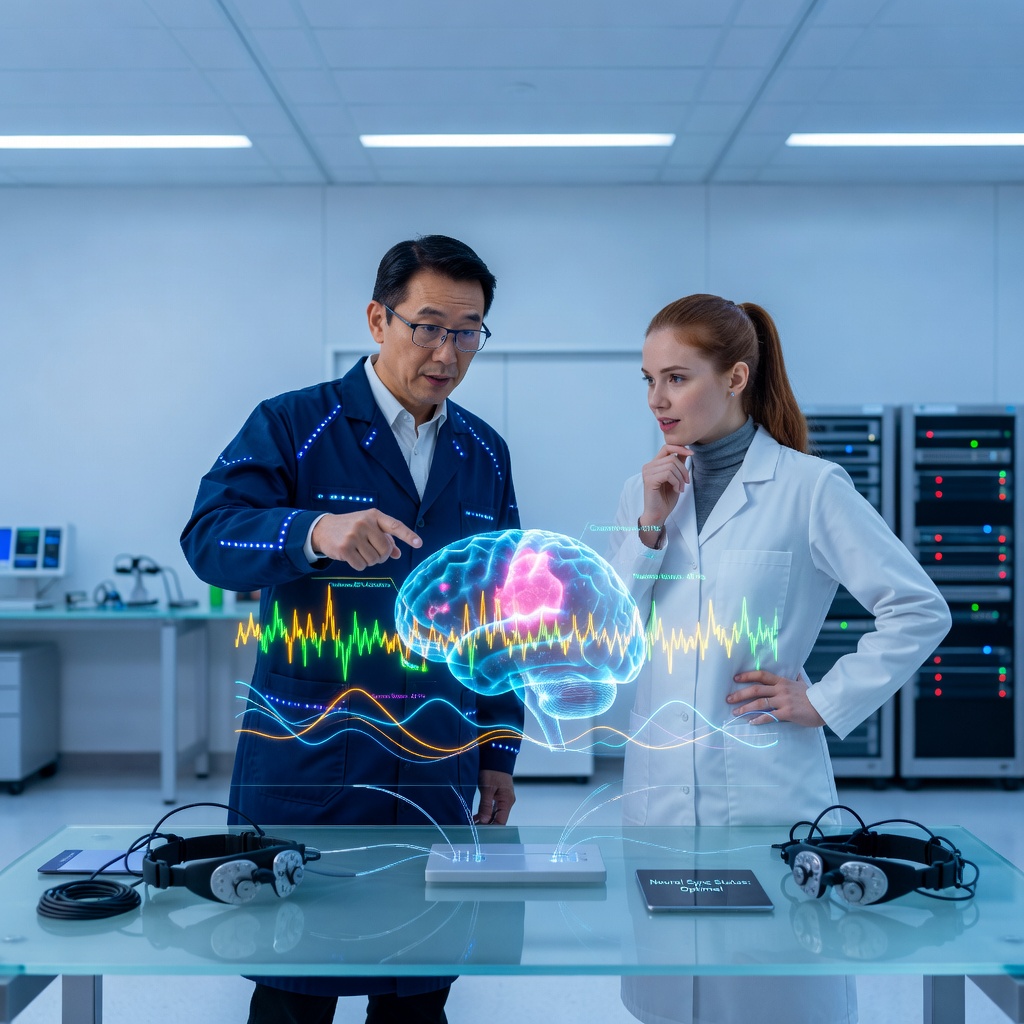
The second fault line cuts through philosophy departments and hospital ethics boards with equal force. When a cochlear implant restores hearing, almost nobody calls it human augmentation in a troubling sense. When a pacemaker regulates a heart, we do not worry that the patient is becoming something other than human. But thread an electrode into the motor cortex or stimulate the anterior cingulate to modulate mood, and the discomfort escalates sharply. Why?
Philosopher Nita Farahany, whose work on cognitive liberty has become a touchstone in neuroethics, frames the anxiety around mental privacy and self-determination. The brain, she argues, is the last genuinely private space, and interfaces that read from it or write to it demand a category of consent that existing medical ethics frameworks were never designed to provide. Informed consent for a knee replacement involves understanding surgical risk. Informed consent for a neural implant that could, in principle, be updated remotely, accessed by a third party, or reprogrammed after implantation involves something closer to consenting to an ongoing relationship with an external actor whose future intentions cannot be known.
On the other side of this debate, bioethicist John Harris and others in the enhancement-positive tradition contend that treating cognitive augmentation as categorically more threatening than physical augmentation is a form of neurological essentialism, an irrational privileging of the brain's current state as authentic and any modification as corrupting. By that logic, they argue, antidepressants should be equally scandalous. The disagreement is not performative; it maps onto real policy decisions about what the FDA, the EU AI Act, and emerging neurorights legislation in countries like Chile will actually permit.
The Plasticity Wildcard
There is a third dimension of academic disagreement that receives even less public attention, and it may be the most practically urgent: neuroplasticity. The brain does not passively receive a BCI; it actively reorganizes around it. Research on sensory substitution devices has demonstrated that the cortex can remap itself to process novel input streams within weeks. Monkey studies with motor BCIs have shown that neurons in motor cortex change their tuning properties to accommodate the demands of controlling an external device. This is simultaneously the technology's greatest strength and its most underexplored risk.
Neuroscientist Michael Merzenich, a pioneer of plasticity research, has long championed the idea that this adaptability is fundamentally good news for therapeutic BCIs. The brain, in his framing, is a hungry learner that will incorporate a well-designed interface as naturally as it incorporated language or tool use. But critics, including some of Merzenich's own former collaborators, raise the possibility of maladaptive plasticity: the brain reorganizing in ways that serve the interface's optimization target rather than the user's broader wellbeing. An implant tuned to maximize motor output might, over years, reshape cortical real estate in ways that have downstream effects on cognition, emotion, or memory that were never anticipated and may be difficult to reverse.
This is not science fiction speculation. Deep brain stimulation for Parkinson's disease, one of the most mature neurotechnology applications in clinical use, has produced documented cases of patients experiencing personality shifts, impulse control changes, and mood disturbances that were not present before implantation. The therapeutic benefit is frequently worth those tradeoffs for patients and their families. But the existence of the tradeoff is rarely front-and-center in the innovation narratives emanating from Silicon Valley or the venture capital ecosystem surrounding companies like Neuralink, Synchron, and Precision Neuroscience.
Who Owns the Upgrade Path?
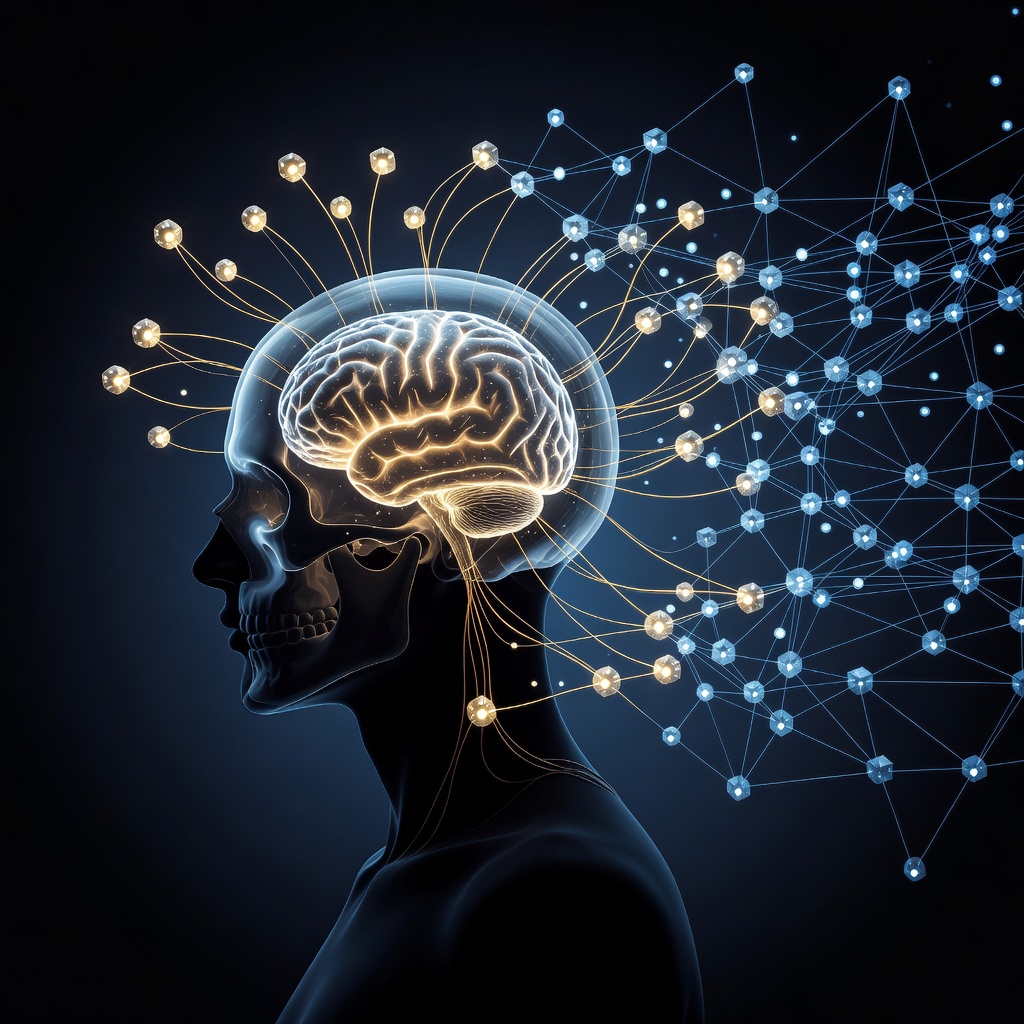
Which surfaces the commercial dimension that academic debate tends to address with careful circumspection and that journalists tend to sensationalize. The genuine question is structural. When a pharmaceutical company sells you a drug, the relationship ends at the pharmacy. When a software company sells you an operating system, the relationship is ongoing but you retain the option to switch or uninstall. When a neural interface company implants a device that your motor cortex has spent eighteen months learning to use, that your neurons have physically reorganized to accommodate, what does the power dynamic look like?
Legal scholars have begun developing frameworks around what they call neural data sovereignty, the principle that information generated by or about a person's brain activity belongs to that person by default and cannot be commodified, subpoenaed, or used for behavioral profiling without explicit and revocable consent. Several jurisdictions are moving toward codifying this. But the technology is iterating faster than legislation, and the companies developing it have obvious commercial incentives to keep the data landscape as open as possible.
Elon Musk's Neuralink occupies a peculiar position in this landscape, simultaneously the most publicly visible BCI company and one that operates with an unusual degree of opacity about its long-term data architecture. The first human patient trials have produced genuinely remarkable demonstrations: a quadriplegic patient controlling a computer cursor with thought alone, playing chess, and even designing a 3D-printed object. These are not trivial achievements. But the academic neuroscience community has noted, with some frustration, that Neuralink publishes remarkably little peer-reviewed methodology, making independent evaluation of its claims considerably harder than it should be for a technology with this level of societal implication.
The Question Science Cannot Answer Alone
Perhaps the most honest thing that can be said about the BCI debate in 2025 is that its most important questions are not scientific. Science can tell us what signals a given array can record, what decoding accuracy is achievable, what plasticity effects have been observed. Science cannot tell us how to weigh those capabilities against the risks of concentrated neurotechnological power, the erosion of mental privacy, or the possibility that cognitive augmentation will deepen existing inequalities by creating a class of neurologically enhanced individuals whose advantages compound over time.
Those are questions for democratic deliberation, for philosophers who study personhood, for disability advocates who correctly point out that the therapeutic-versus-enhancement distinction is often drawn by people who have never lived with the conditions being treated, and for patients themselves who deserve more than cheerful press releases and TEDx optimism. The neurons are ready for the conversation. The question is whether the institutions surrounding this technology are ready to have it honestly.
"The brain is the last genuinely private space. Interfaces that read from or write to it demand a category of consent that existing medical ethics frameworks were never designed to provide."
The answer, judging by the current state of academic debate, regulatory lag, and commercial acceleration, is: not yet. But the window for getting this right is not infinite, and the cost of getting it wrong is measured in something far more intimate than dollars or data points. It is measured in the texture of human experience itself.