
Musk Under the Microscope: A Cold-Eyed Analysis of the Empire's Moving Parts
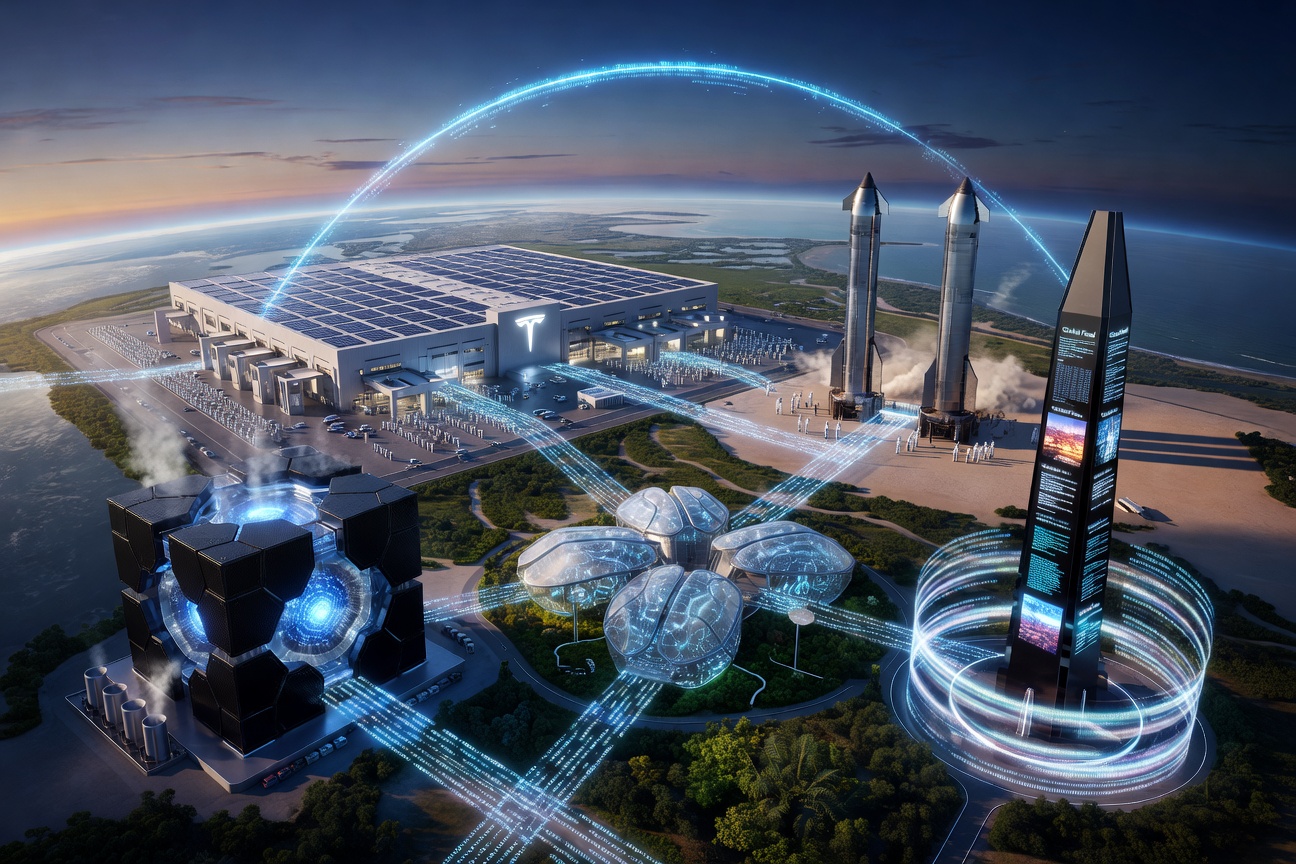
When analysts attempt to evaluate Elon Musk's business empire in isolation, treating Tesla as just a car company or SpaceX as merely a launch provider, they make the same category error as someone examining a circuit board one resistor at a time. The architecture only reveals its logic when you step back. In mid-2025, that architecture is under more scrutiny than ever before, with rival corporations catching up on multiple fronts, regulators sharpening their instruments, and Musk himself continuing to make statements that oscillate between prophetic and provocative. What follows is not a fan letter, nor a hit piece. It is an attempt to apply the same rigor to Musk's ventures that any competent analyst would apply to a Fortune 500 earnings call, with data, competitive context, and a clear-eyed assessment of what is actually working, what is stalling, and what could break.
Tesla's Autonomy Pivot: Ambitious Metrics, Stubborn Physics
Tesla's Full Self-Driving platform has been, depending on your vantage point, either the most important software project in automotive history or the most expensive promise ever made to retail investors. In 2025, the reality sits somewhere between those poles. Musk has repeatedly stated that Tesla's robotaxi network, branded Cybercab, represents the company's single largest value-creation opportunity, projecting fleets in the millions within years rather than decades. The technical foundation for this claim rests on Tesla's proprietary Dojo supercomputer, its vision-only sensor stack, and an end-to-end neural network trained on billions of real-world miles.
The data points Musk cites are genuinely impressive in isolation. Tesla's fleet has accumulated more cumulative miles of supervised autonomous driving data than any competitor by a significant margin. However, the critical distinction between supervised miles and unsupervised commercial miles remains a regulatory and technical chasm that no press release can paper over. Waymo, operating with a dramatically smaller fleet, has logged hundreds of thousands of fully driverless commercial rides in Phoenix, San Francisco, and Austin with a demonstrably lower incident rate per mile than human drivers. The competitive comparison is not flattering for Tesla's timeline optimism.
On the business side, Tesla's core EV revenue faces structural compression. Chinese manufacturers, led by BYD and a constellation of state-backed challengers, now offer comparable range and software sophistication at price points that undercut Tesla's entry-level models in key global markets. Tesla's gross margins on vehicle sales have declined from their peak, and while energy storage revenue from Megapack installations has provided a meaningful offset, it is not large enough to carry the company if vehicle margins continue eroding. Musk's strategic response has been to double down on the autonomy narrative, arguing that the vehicle hardware becomes a depreciating asset while the software subscription and robotaxi revenue become the durable moat. That logic is coherent. It is also unproven at commercial scale.
SpaceX: The One Venture Where the Numbers Speak Loudly
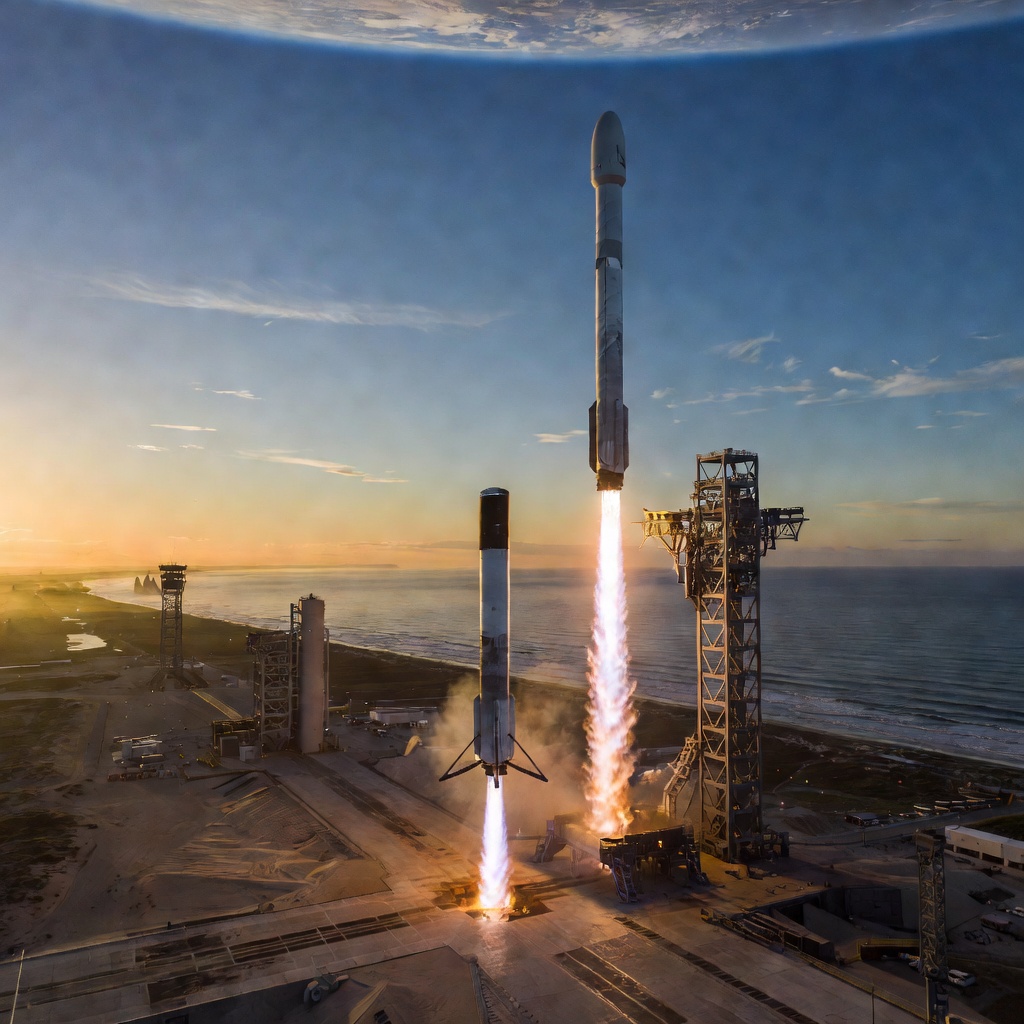
If Tesla is the venture that generates the most public debate about Musk's credibility, SpaceX is the one that most reliably silences critics with results. The Starship program's iterative flight testing cadence in 2025 has demonstrated a development velocity that established aerospace primes cannot match, structurally or culturally. Musk's stated philosophy of treating rocket prototypes as expendable learning instruments, rather than precious hardware to be preserved, has produced a feedback loop that compresses years of traditional development into months.
The business case for SpaceX bifurcates cleanly. Starlink, the low-Earth orbit broadband constellation, has crossed the threshold into genuine commercial viability. With more than four million subscribers across residential, maritime, aviation, and government contracts, Starlink generates recurring revenue at a scale that funds a significant portion of SpaceX's launch ambitions. The strategic value extends beyond revenue: Starlink gives SpaceX a vested interest in frequent, affordable launch cadence, creating a self-reinforcing economic engine that competitors lack.
The longer-range Starship mission, establishing a human presence on Mars, faces timelines that even Musk's most charitable interpreters acknowledge are aspirational. NASA's Artemis program dependency on Starship for lunar landing introduces a government contracting dynamic that historically slows rather than accelerates development. Regulatory friction from the FAA over Starbase launch approvals has already demonstrated that political and environmental review processes can impose delays independent of engineering readiness. A realistic assessment places the first crewed Mars transit no earlier than the early 2030s, contingent on funding continuity, regulatory clearance, and life-support system maturation that remains at early-stage development.
xAI and the Grok Gambit: Entering a Crowded Arena Late with Heavy Artillery
Musk's artificial intelligence venture, xAI, launched Grok as a direct competitor to OpenAI's ChatGPT and Anthropic's Claude with one structural advantage that money alone cannot replicate: distribution through X, the social platform reaching hundreds of millions of users. In recent interviews and posts, Musk has positioned xAI not merely as a commercial AI product but as a philosophical counterweight to what he characterizes as politically biased AI development at rival labs. This framing is both a marketing strategy and a genuine ideological stance, and separating the two requires careful reading.
Technically, Grok 3 has benchmarked competitively against frontier models in reasoning and coding tasks. The xAI team's decision to train on a curated mix of web data, X platform data, and synthetic reasoning chains represents a differentiated approach that has yielded measurable gains in certain task categories. However, the enterprise AI market, where the largest revenue pools reside, is currently dominated by Microsoft's Azure OpenAI integration, Google's Gemini ecosystem, and Amazon's Bedrock platform. xAI has announced Colossus, its Memphis-based supercomputer cluster, as one of the largest GPU training facilities in the world, which signals serious infrastructure commitment. Converting that infrastructure investment into enterprise contracts requires sales relationships, compliance certifications, and integration tooling that take years to develop regardless of raw model performance.
The regulatory dimension for xAI is also sharpening. The EU AI Act's tiered risk classification system and the United States' evolving executive guidance on frontier AI development both create compliance overhead that newer entrants face disproportionately. Musk's public statements critiquing AI regulation as stifling may resonate with his base, but enterprise customers in regulated industries, finance, healthcare, legal, require demonstrable compliance frameworks before committing to any AI vendor.
Neuralink and the Long Game Nobody Wants to Rush
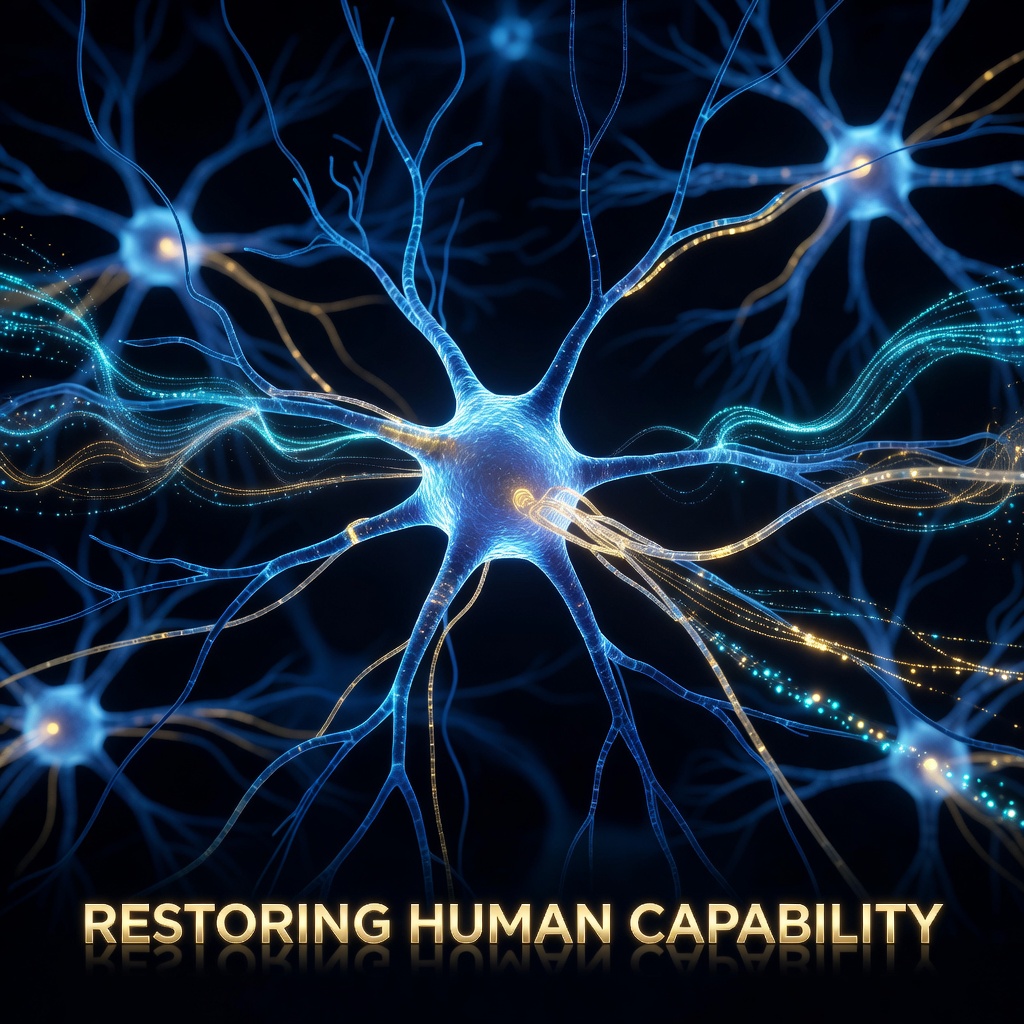
Of all Musk's ventures, Neuralink operates in the domain where hype is most dangerous and patience is most warranted. The company's N1 implant has now been implanted in a small cohort of human trial participants, with initial results demonstrating that paralyzed individuals can control digital interfaces through neural signals with meaningful accuracy. These are genuine, peer-significant results. They are also the beginning of a clinical journey measured in years and regulatory steps, not quarters.
The FDA's oversight of neural implant technology is appropriately rigorous. Demonstrating long-term biocompatibility, signal stability over multi-year implant durations, and surgical safety across diverse patient populations requires the kind of longitudinal data that cannot be accelerated through engineering ingenuity alone. Musk has expressed ambitions for Neuralink that extend well beyond medical restoration into cognitive enhancement for healthy individuals, a regulatory and ethical frontier that most neuroscientists and bioethicists approach with significant caution. That does not make the vision wrong. It makes the timeline for its realization far longer than Musk's public framing typically acknowledges.
The Systemic Risk That Analysts Keep Underweighting
Perhaps the most underexamined risk in the Musk portfolio is not technical or regulatory but structural: the concentration of strategic decision-making in a single individual simultaneously running five major enterprises while also occupying a prominent political role through his work with the Department of Government Efficiency. The cognitive bandwidth constraints this imposes are not speculative, they are measurable in the form of delayed product announcements, executive departures, and strategic pivots that occasionally appear reactive rather than planned.
Investors in individual Musk companies are, functionally, also investing in a governance model that has no historical precedent at this scale. Tesla's board has faced persistent criticism for insufficient independence. SpaceX remains private, limiting external accountability mechanisms. X operates under Musk's direct ownership with minimal institutional checks. This concentration amplifies both upside and downside in ways that conventional portfolio risk models struggle to quantify.
The competitive landscape in 2025 is also more challenging than at any prior point in Musk's career. In EVs, in launch services, in AI, and in social media, rivals have studied the Musk playbook and are executing with resources that dwarf anything available a decade ago. The era in which Musk's ventures competed against complacent incumbents is over. The era in which they compete against well-capitalized, technically sophisticated challengers has fully arrived.
None of this forecloses success. The portfolio's technical achievements remain genuinely extraordinary by any historical measure. But the next chapter of the Musk story will be written not by vision statements or viral posts, but by execution metrics, regulatory outcomes, and the unglamorous grind of building durable institutions that outlast any single founder's attention span. That, more than any rocket launch or AI benchmark, is the test that history will use to grade this particular moment.
George Russell
Tech journalist covering Elon Musk’s companies for over 10 years.