The Virtual Power Plant Illusion: Why Grid Storage Hype Is Running Decades Ahead of Reality
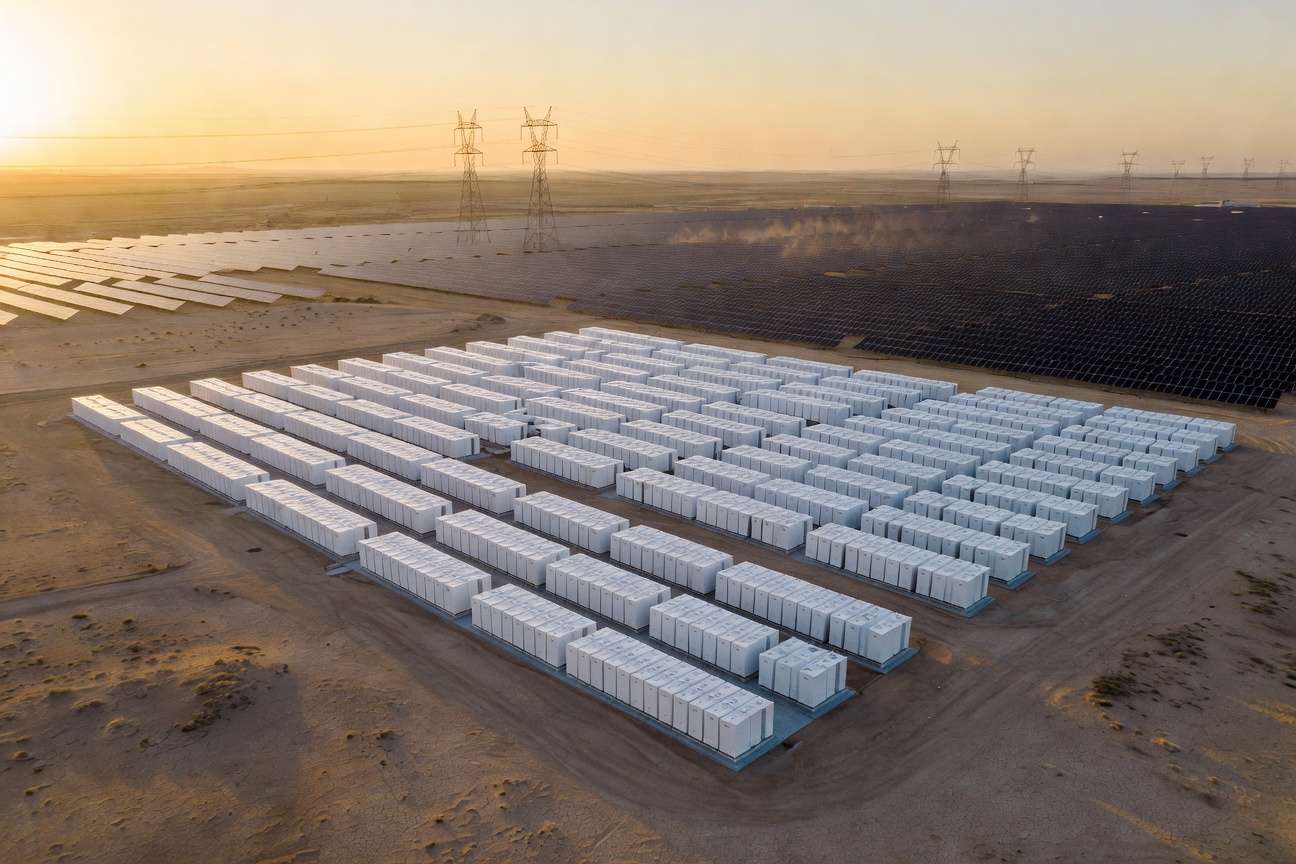
Here is a number the clean energy press rarely publishes front and center: the United States consumed approximately 4,000 terawatt-hours of electricity in 2023. Total grid-scale battery storage installed across the entire country at the end of that same year sat somewhere around 15 gigawatt-hours of usable capacity. Do the math. That is roughly 0.00038 percent of annual demand. And yet the discourse around Megapacks, virtual power plants, and solar-plus-storage has reached a pitch that would lead a casual reader to believe the grid transformation is essentially complete, or at least well past the tipping point. It is not. Not even close. And the gap between what these technologies can currently do and what advocates claim they will do deserves far more rigorous scrutiny than the industry is used to receiving.
The Duration Problem Nobody Wants to Talk About
Tesla's Megapack is, by any reasonable engineering measure, an impressive piece of hardware. The latest generation stores around 3.9 megawatt-hours per unit, ships pre-assembled, and integrates with grid management software in ways that would have been science fiction fifteen years ago. Tesla has deployed Megapack projects in Australia, California, Texas, and across Europe, and the company's Lathrop Gigafactory is cranking out units at a pace that genuinely matters at the project level. None of that is in dispute.
What is in dispute is the claim, implicit in most coverage, that these installations solve the fundamental challenge of seasonal energy storage. They do not, and no amount of software optimization changes the underlying physics. A Megapack installation, even a large one, is designed for what engineers call short-duration storage: typically two to four hours of discharge at rated power. That is useful for smoothing morning demand ramps, absorbing afternoon solar surges, and providing frequency regulation services that grid operators desperately need. But it does nothing for the multi-day, multi-week, or seasonal storage problem that a high-renewables grid actually requires.
Germany learned this lesson at considerable cost. Despite aggressive solar and wind buildout, the country still relies on natural gas peakers and, controversially, coal during the extended low-wind, low-sun periods Germans call Dunkelflaute, or dark doldrums. These can last ten to fourteen days. No lithium-ion battery system economically deployable today bridges that gap. The math simply does not work at current energy density and cost curves, and yet the virtual power plant narrative rarely stops to acknowledge this ceiling.
Virtual Power Plants: Aggregation Is Not the Same as Reliability
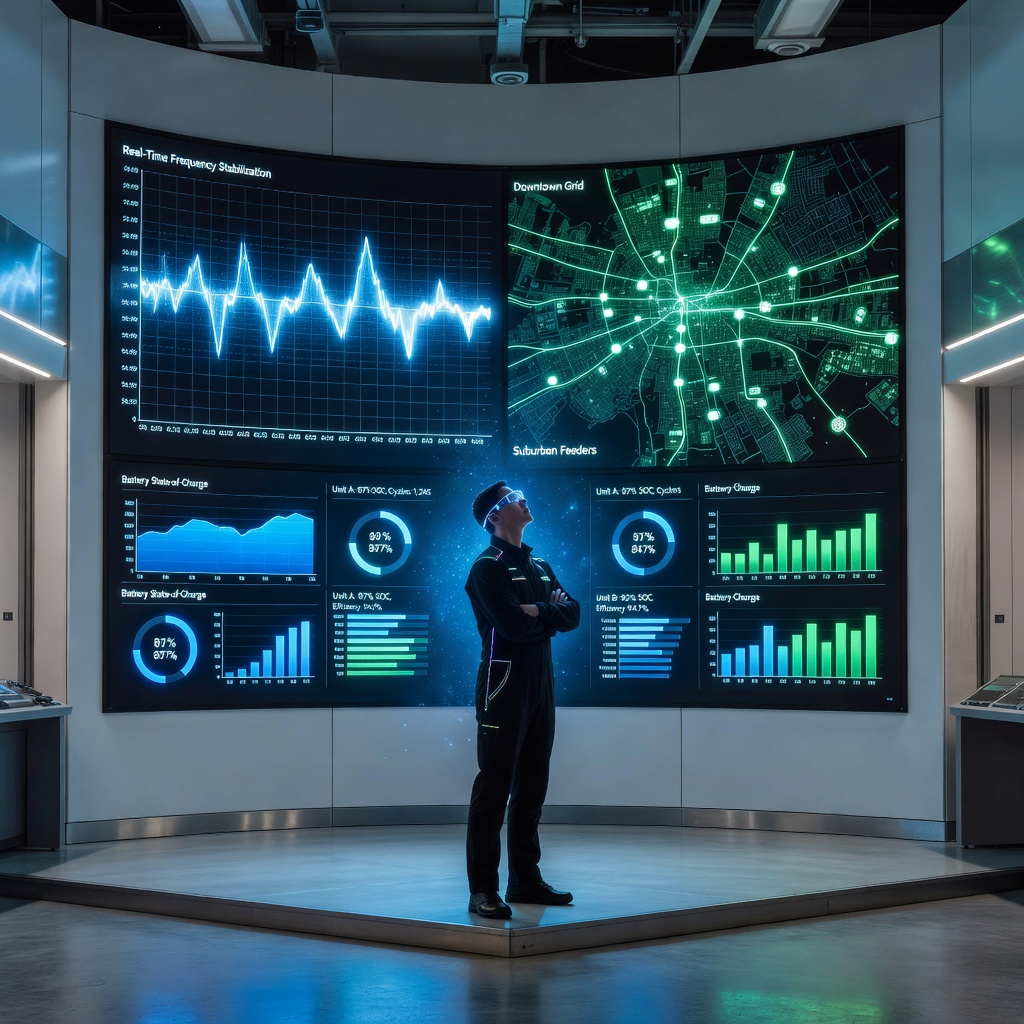
The virtual power plant concept, where thousands of home batteries, EV chargers, smart thermostats, and rooftop solar arrays are aggregated through software into a dispatchable resource, is genuinely clever. Tesla's Powerwall network, Sunrun's partnerships with utilities, and various demand-response programs have demonstrated real value in controlled conditions. California's grid operator CAISO has repeatedly called on these aggregated assets during heat emergencies, and they have responded, partially, temporarily, and with significant caveats that disappear by the time the press release circulates.
The caveats matter enormously. A traditional 500-megawatt gas peaker plant delivers its rated output on command, within minutes, for hours, regardless of weather, consumer behavior, or software latency. A virtual power plant aggregating the equivalent capacity across 200,000 home batteries and smart appliances delivers something far more probabilistic. Participation rates fluctuate. Homeowners override automated commands. Batteries that were supposed to be charged are not, because someone drove farther than expected. Network latency introduces coordination delays measured in seconds that matter when grid frequency excursions are measured in milliseconds. The aggregate resource is softer, more variable, and less predictable than the nameplate megawatt figures suggest, yet those nameplate figures dominate the headlines.
This is not a theoretical concern. During the August 2020 rolling blackouts in California, demand-response and distributed battery programs contributed far less than their enrolled capacity suggested they would, for exactly these behavioral and logistical reasons. The grid operator has since improved its protocols, but the underlying fragility of voluntary, distributed participation has not disappeared. It has been papered over with better software and more optimistic assumptions.
"Calling a network of consumer devices a power plant is a bit like calling a flash mob an army. The analogy flatters the mob."
The Economics Hide Behind Favorable Accounting
Tesla's energy division has posted impressive revenue numbers, and Megapack deployments are genuinely accelerating. The company reported energy storage deployments of 14.7 gigawatt-hours in 2024, a figure that made investors and clean energy advocates celebrate loudly. But the economics of grid storage remain deeply dependent on a specific set of market structures, incentives, and regulatory frameworks that are neither universal nor guaranteed to persist.
Megapack projects generate revenue through several stacked mechanisms: capacity payments from grid operators, frequency regulation ancillary services markets, energy arbitrage buying cheap overnight power and selling during peak hours, and in some jurisdictions, renewable energy certificates layered on top. Remove any one of these revenue streams, and the project economics deteriorate sharply. Remove two, and many projects do not pencil out at all without substantial subsidies, which in the United States currently flow generously from the Inflation Reduction Act's investment tax credit provisions.
This is not a criticism of the IRA or of using policy to drive clean energy deployment. Policy-driven markets are legitimate and historically effective. But it does mean that the economic case for grid storage is not yet self-sustaining in the way that, say, utility-scale solar in the American Southwest has become. The boosterish framing that batteries have crossed the economic threshold on their own merits obscures how much regulatory scaffolding is holding the business model up. When that scaffolding changes, as it inevitably will through rate restructuring, market rule changes, or political shifts, the economics shift with it.
What the Technology Actually Does Well
None of this is an argument against deploying Megapacks, building virtual power plants, or installing rooftop solar. These technologies solve real problems with improving elegance. The argument is for precision about which problems they solve and which ones remain open, because confusing the two leads to genuinely bad policy decisions.
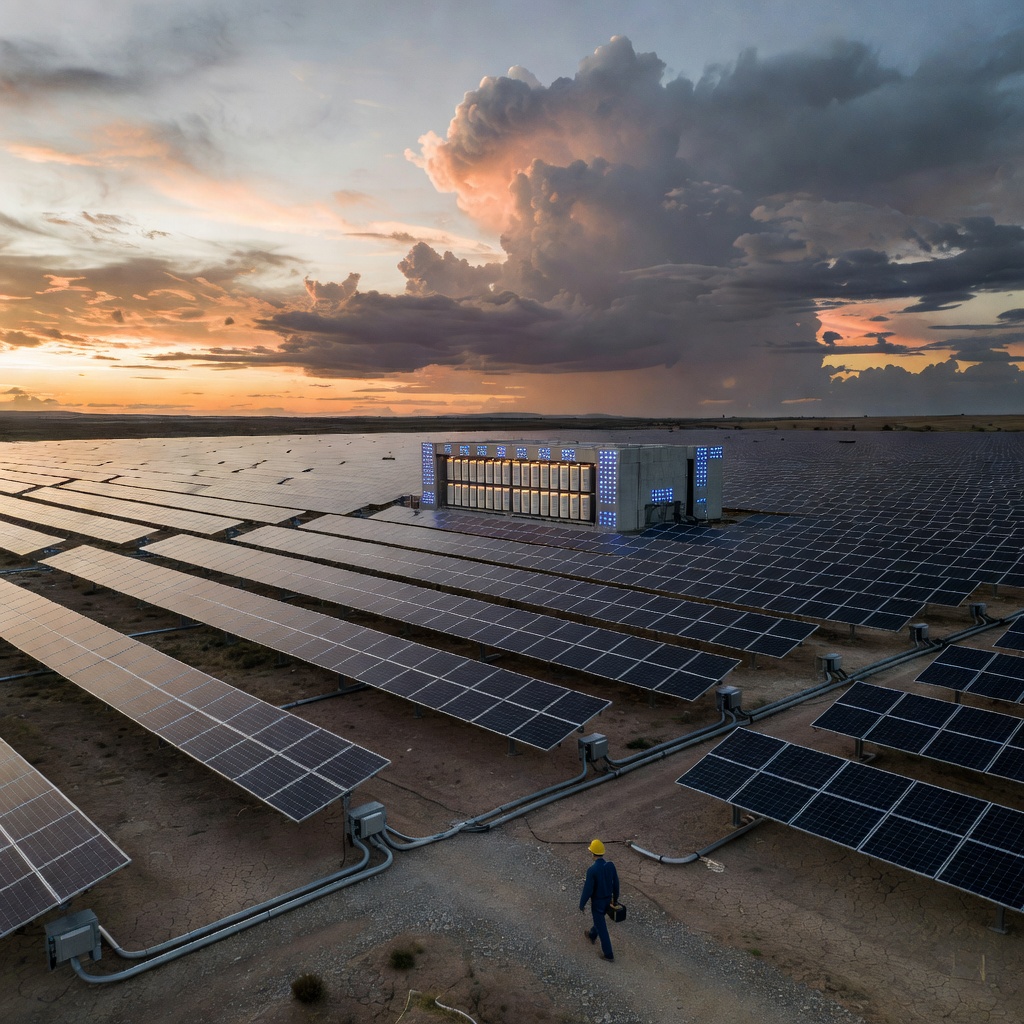
Grid-scale lithium-ion storage is exceptionally good at providing fast-responding ancillary services: frequency regulation, voltage support, spinning reserve replacement. It is good at shifting solar generation by two to four hours, which alone substantially improves solar's grid value. Virtual power plants are useful for peak shaving and demand reduction in ways that genuinely defer expensive transmission and generation infrastructure investment. These are not trivial contributions. They are real, measurable, and worth billions of dollars of value to grid operators and ratepayers.
Tesla's software platform, Autobidder, which autonomously manages Megapack assets across multiple energy markets simultaneously, represents a genuine leap in grid asset optimization. The company's ability to push firmware updates to deployed Megapacks and unlock additional capacity or new operating modes, as it did with the Hornsdale Power Reserve in Australia, demonstrates an advantage that no conventional generation asset can match. This is software eating the power sector, and it is real.
The Honest Roadmap Looks Different
The technologies that actually close the seasonal storage gap, green hydrogen, iron-air batteries, pumped hydro, enhanced geothermal, advanced nuclear, are all either pre-commercial, geographically constrained, or measured in decade-scale deployment timelines. They deserve far more coverage and investment urgency than they receive, precisely because the Megapack-and-VPP narrative has created a comfortable illusion that the hard problem is mostly solved.
Elon Musk has said repeatedly that a relatively small patch of Nevada covered in solar panels and batteries could power the entire United States. The arithmetic behind that claim is technically defensible at the level of raw energy production. But the grid is not a bathtub you fill and drain. It is a real-time balancing act across a continent, and the infrastructure required to move, store seasonally, and guarantee that energy bears no resemblance to a field of Megapacks, however impressive those Megapacks are.
The honest version of the clean energy transition story is one where Megapacks and virtual power plants play a critical but partial role, buying time and providing services while longer-duration technologies mature, transmission networks are rebuilt, and demand patterns are reshaped by electrification. That story is genuinely exciting and worth telling. But it requires admitting that the chapter we are in right now is early, the unsolved problems are large, and the celebration is at least a few plot twists premature. Precision is not pessimism. Sometimes it is the most useful thing a technology writer can offer.