From Seizure to Syntax: The Decade-Long Road That Taught Machines to Decode Human Memory
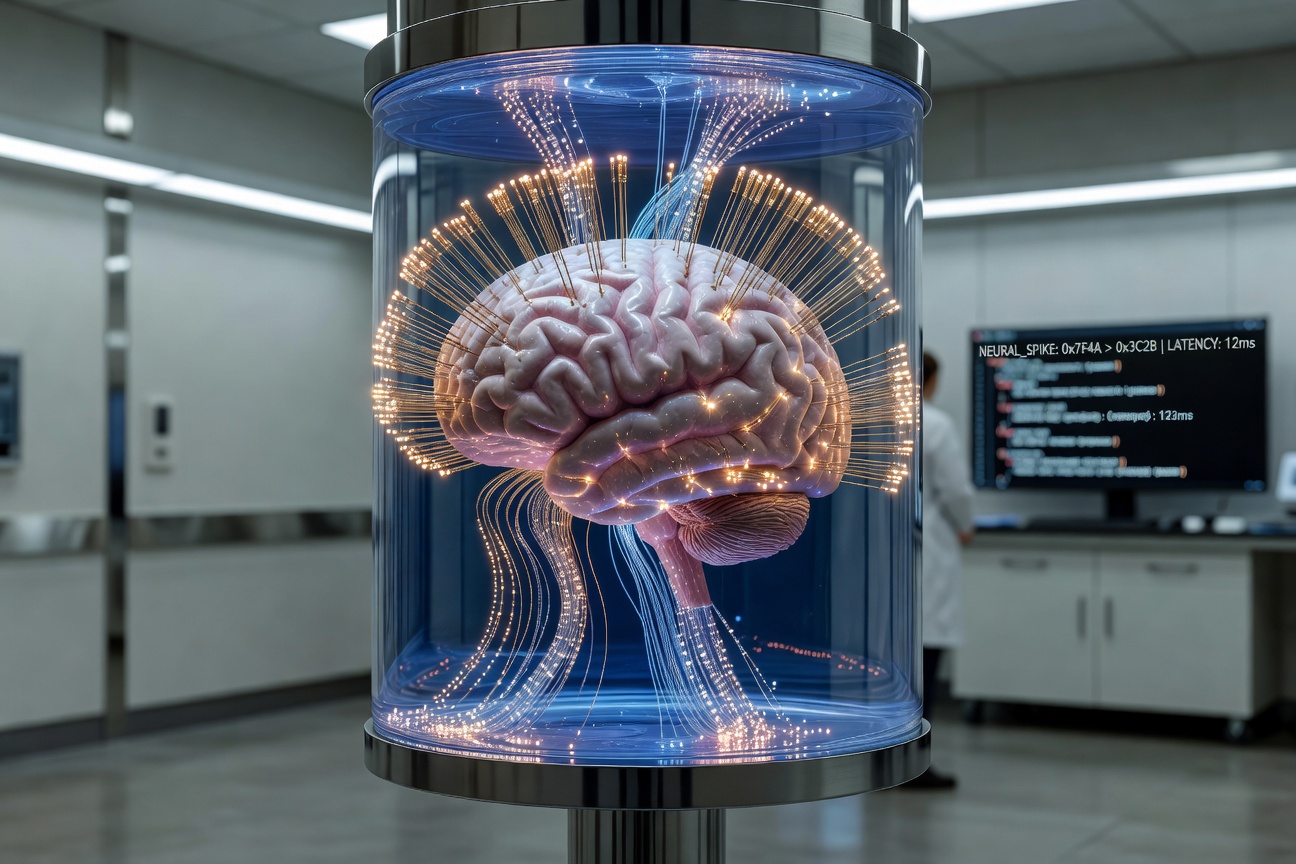
It started not with ambition but with necessity. In the early 2010s, a cluster of neuroscientists at the University of Southern California were doing something unglamorous: recording electrical chaos inside the skulls of epilepsy patients. These individuals had already agreed to have electrodes implanted in their brains to help surgeons pinpoint the origin of their seizures. The researchers asked if they could borrow a few minutes of that access. The patients said yes. Nobody in the room understood that they were handing science a skeleton key.
2011 to 2014: The Signal Nobody Could Read
The early recordings were, in the most technical sense of the word, garbage. The hippocampus, a seahorse-shaped structure buried deep in the medial temporal lobe, had long been known as the seat of memory encoding. But knowing where memory lives is not the same as knowing how it speaks. What the electrodes picked up looked less like structured communication and more like a stadium full of people all shouting at once. The team, led by biomedical engineer Theodore Berger, began building computational models to find patterns in the pandemonium.
Three years of false starts followed. Early models predicted memory encoding with barely better accuracy than random chance. Funding reviews were uncomfortable. A 2013 internal report, later summarized in a published paper, acknowledged that the team had systematically underestimated the nonlinear complexity of hippocampal firing patterns. The honest admission cost them one federal grant and nearly ended the project. Instead, it redirected it. The team abandoned linear modeling entirely and pivoted to a multi-input multi-output nonlinear dynamic model, a mouthful of jargon that essentially meant: stop expecting the brain to behave like a simple circuit.
"We assumed the hippocampus was doing something elegant. It turned out it was doing something far stranger, and far more interesting, than elegant."
2015 to 2017: The First Time a Machine Remembered Better Than You Did
The breakthrough arrived quietly, the way most real breakthroughs do. In 2015, Berger's team demonstrated that they could record the neural patterns associated with successfully encoding a short-term memory, feed those patterns into their model, and then artificially replay a corrected or optimized version of that pattern back into the hippocampus using electrical stimulation. In controlled trials with human patients, this process improved memory recall by approximately 35 percent compared to unstimulated baselines.
Thirty-five percent sounds modest until you remember that these were not healthy volunteers being given a cognitive edge. These were patients whose memory circuits were already compromised by years of epileptic activity. The machine was not merely matching biological performance. It was compensating for biological damage. The implications rippled outward immediately. Alzheimer's researchers contacted Berger's lab within weeks of the paper's publication. Defense research agencies, already funding adjacent projects, escalated their interest. The question was no longer whether memory could be augmented. It was whether the approach could scale.
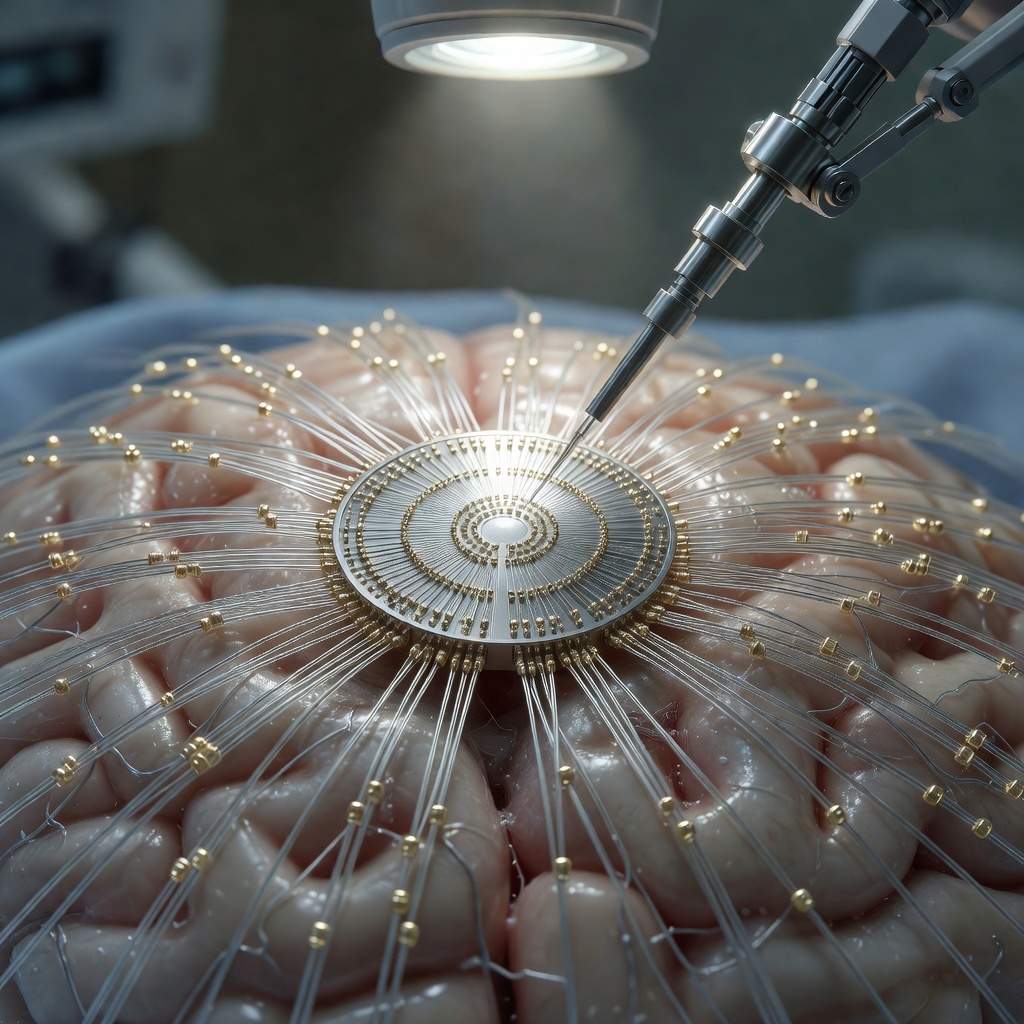
Scaling proved brutal. The electrode arrays used in those early trials were custom-fabricated, required neurosurgical implantation, and could only interface with a small patch of tissue containing roughly 100 to 200 neurons. The hippocampus contains roughly 40 million. The gap between proof-of-concept and clinically meaningful intervention was, to put it gently, substantial.
2018 to 2020: Neuralink Enters the Room
Into that gap walked Elon Musk. Neuralink, founded quietly in 2016 but publicly unveiled in 2019, had been working on a problem adjacent to memory but arguably more foundational: electrode density. Berger's team could talk to hundreds of neurons. Neuralink was engineering arrays capable of communicating with thousands, using flexible polymer threads thinner than a human hair and a robotic surgical system precise enough to stitch them around blood vessels without causing hemorrhagic damage. The company's first high-profile demonstration in August 2020 showed a pig named Gertrude walking on a treadmill while a nearby screen displayed real-time neural signals from her snout, lighting up every time she touched something with her nose.
Critics called it a glorified press conference. Engineers called it something more interesting: a live demonstration that chronic implant stability, one of the field's most persistent failure modes, had been meaningfully addressed. Previous electrode arrays had a tendency to degrade, trigger immune responses, or shift position over time, corrupting the signal within months. Neuralink's flexible threads appeared to stay put. That single engineering achievement, more than any algorithm or neuroscience insight, changed the timeline.
2021 to 2023: The Patient Who Played Video Games With His Mind
In April 2021, a 29-year-old patient identified as Noland Arbaugh sat in front of a laptop with a Neuralink chip in his motor cortex. Paralyzed below the shoulder following a diving accident, Arbaugh had no functional use of his hands. Within weeks of implantation, he was playing chess online using nothing but the intention to move his cursor. By early 2024, he had played eight hours of the video game Civilization VI in a single session, reporting that the device felt intuitive in a way he had not anticipated, not like operating a tool but like recovering a sense he had lost.
Simultaneously, and largely below public radar, a separate research lineage was maturing at Wake Forest Baptist Medical Center, building on Berger's original memory work. A clinical trial involving patients with mild to moderate memory impairment caused by early Alzheimer's disease was testing closed-loop hippocampal stimulation: record a memory encoding attempt, model what the healthy version of that neural pattern should look like, and inject the correction in real time. Preliminary data released in 2023 showed that participants in the active stimulation arm of the trial demonstrated measurable improvement in delayed recall tasks versus controls. The effect sizes were modest but consistent. Consistency, in neuroscience, is currency.
2024 to Now: When the Threads Start to Converge
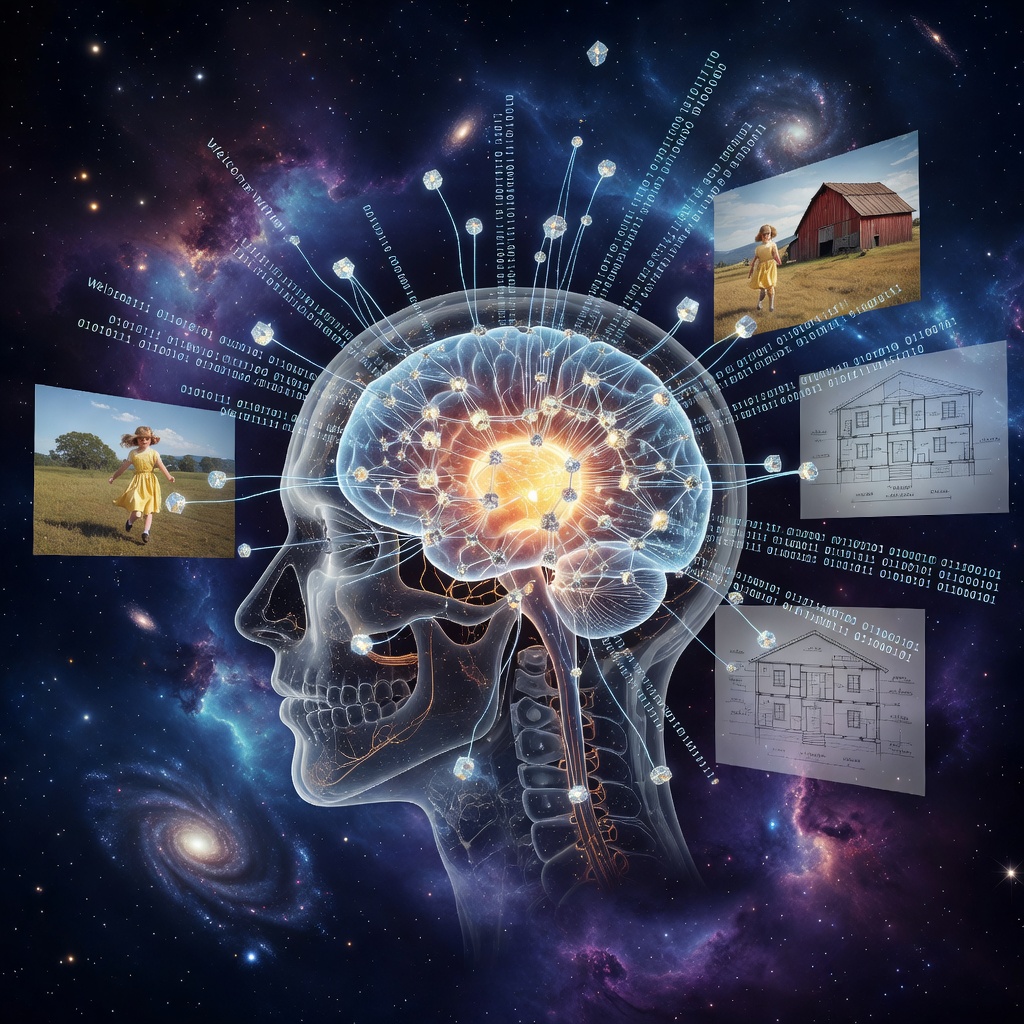
The story is no longer about isolated laboratories pursuing isolated problems. The hardware advances pioneered by Neuralink and competitors including Synchron, Paradromics, and Precision Neuroscience are now colliding with the algorithmic advances emerging from memory and language research programs. Synchron's Stentrode device, implanted via blood vessels rather than open-brain surgery, has enabled patients to operate smartphones through neural intent alone. Precision Neuroscience is developing ultra-thin cortical arrays designed for same-day implantation and removal, potentially enabling diagnostic or therapeutic uses that do not require permanent hardware commitment.
What the field lacks, and what virtually every researcher in it will privately admit is the current limiting factor, is data. Training a machine learning model to decode neural intent with high fidelity requires enormous datasets of labeled neural recordings. Each human brain is architecturally unique at the micro-scale, meaning a decoder trained on one patient often performs poorly on another. The solution, being cautiously pursued by several consortia, is federated learning across implanted patients: pooling anonymized neural data to build generalized models while keeping individual data local. The privacy architecture required to do this responsibly does not yet fully exist.
The Next Inflection Point Is Already Scheduled
Neuralink has announced plans to expand its PRIME trial to dozens of additional patients across motor and sensory cortex applications. A separate Neuralink program, code-named Blindsight, is targeting visual cortex stimulation with the declared aim of restoring functional vision to individuals who have lost it, including those born without sight. Musk has publicly stated a target of several hundred implants completed within the next two years, a pace that would generate more chronic human neural recording data than the entire preceding decade of academic research combined.
Whether that data will be shared with the broader scientific community remains an open and genuinely important question. Academic neuroscience built the conceptual foundation that private companies are now commercializing at speed. The reciprocal flow of data back into the commons has so far been thin. That tension is not unique to brain-computer interfaces, but nowhere else does it carry quite the same weight. The organ in question is the one doing the weighing.
From seizures to syntax, from garbage signals to 35-percent memory gains to a paralyzed man playing a civilization-building game with his thoughts: the road has been longer and stranger than anyone in that USC recording room could have predicted. The next chapter is being written right now, in operating theaters, in ethics committees, in machine learning pipelines, and inside the skulls of a small but growing number of people who have agreed to let science borrow a few minutes of access. The difference is that this time, nobody is pretending the implications are small.