Hands That Think: The Quiet Revolution Happening at the Edge of Skin and Silicon
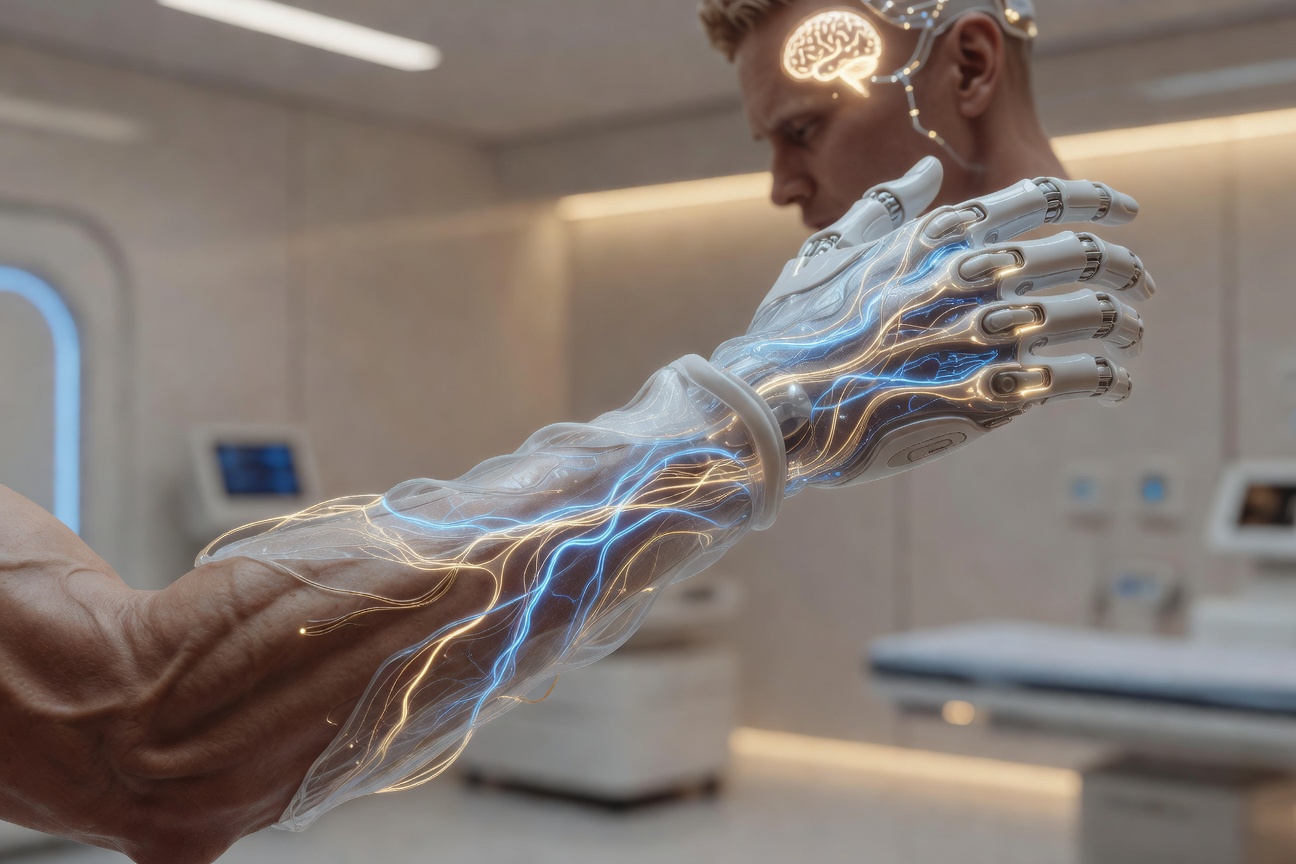
Picture a Tuesday morning in a mid-sized apartment in Columbus, Ohio. Marcus, 34, a former electrician whose cervical spinal cord was severed in a 2019 scaffolding collapse, sits at his kitchen table and pours his own coffee. That sentence used to be impossible. Now it is merely unremarkable, made ordinary by a thumbnail-sized array of electrodes implanted against his motor cortex and a sleeve of soft robotics wrapped around his forearm. His brain fires. The sleeve catches the intention before it dies at the injury site and translates it into grip force, wrist rotation, pour angle. Nobody in the room thinks it is magic anymore. That transition, from miracle to Tuesday, may be the most consequential story in technology right now.
When the Gap Between Intention and Action Closes
For the better part of two decades, brain-computer interface research lived in the realm of demonstrations: a cursor nudged across a screen, a robotic arm lifting a bottle during a press event, a conference slide packed with electrode density numbers. Impressive. Remote. The average person watching those demonstrations felt approximately the same emotional distance they would feel watching a satellite launch. Extraordinary, yes. Relevant to breakfast, no.
That distance is collapsing with unusual speed. The clinical pipeline has shifted from proof-of-concept trials to what researchers at several leading neuroengineering centers are calling "functional integration" studies, meaning the question is no longer whether a brain signal can command a device, but whether that device can actually slot into a person's life without demanding that the person reorganize their entire existence around it. The answer, increasingly, is yes, but with an asterisk that is worth examining carefully.
The asterisk is this: the devices are not yet invisible. They are not yet seamless. They require calibration sessions, software updates, battery management, and a level of patient participation that places real cognitive and logistical demands on people who are already managing serious medical conditions. The gap between restored function and truly transparent function remains meaningful, and honest reporting on the technology requires sitting with that complexity rather than dissolving it into headlines about cyborgs.
Three Breakthroughs That Changed the Arithmetic
Three converging developments in roughly the past 18 months have shifted the field's calculus in ways that specialists describe as genuinely non-linear. The first is decoder efficiency. Early motor-intent decoders required patients to perform extensive daily recalibration, sometimes 30 to 45 minutes of mental rehearsal before a usable signal baseline was established. New adaptive algorithms, several of them borrowing architecture from the same large-model AI revolution that gave us conversational AI, now recalibrate continuously and silently in the background. The user's role shrinks toward zero.
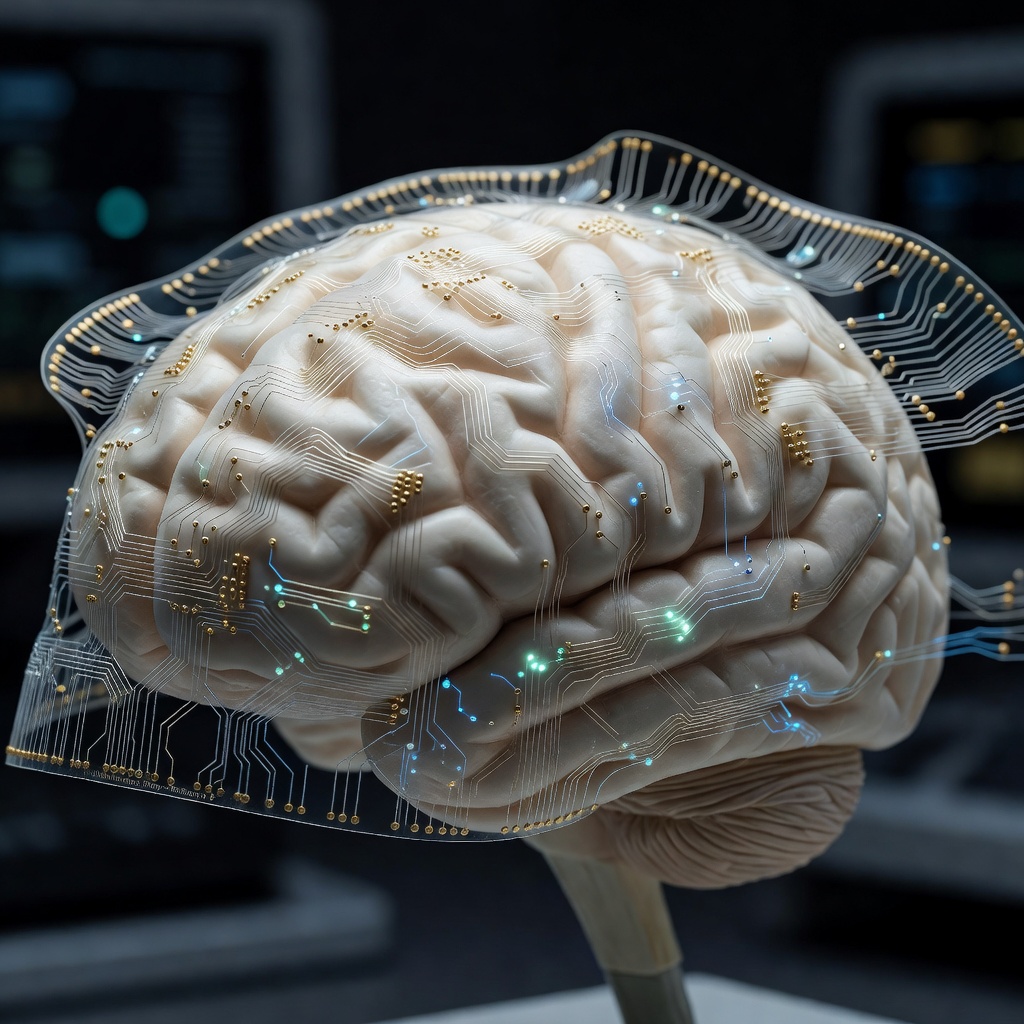
The second development is materials longevity. The brain is hostile territory for foreign objects. Scar tissue accumulates around rigid electrodes over months, degrading signal quality and eventually rendering an implant clinically useless. Next-generation flexible mesh electrodes, some thinner than a human hair and capable of bending with the micro-movements of living tissue, have demonstrated dramatically extended functional lifespans in primate studies and early human trials. Longevity transforms the cost-benefit calculation for patients and insurers alike. An intervention that might need revision surgery in 18 months is a harder sell than one credibly projected to last a decade or more.
The third shift is regulatory momentum. The FDA's Breakthrough Device designation, which was created to accelerate review for technologies addressing serious conditions, has been applied to multiple BCI platforms in the past two years. That designation does not mean approval, but it means a structured, expedited dialogue between developers and regulators, which translates practically into faster iteration cycles and a clearer path for companies to plan commercial launches with some degree of regulatory visibility. Where there was fog, there is now at least a map, even if the terrain is still difficult.
The Uses Nobody Predicted
Official use cases for BCI technology have always centered on motor restoration and communication for people with severe paralysis. Those applications remain the most clinically mature and the most ethically unambiguous. But the technology is beginning to find its way into contexts that researchers designed it for but that are still surprising when encountered at human scale.
Chronic pain management is one of them. A cohort of patients with treatment-resistant neuropathic pain, the burning, electric-shock sensation that can follow nerve damage and resists virtually every pharmaceutical intervention, has been enrolled in closed-loop neurostimulation trials where implanted devices monitor neural signatures associated with pain states and automatically deliver precisely timed cortical stimulation to interrupt them. Early results suggest clinically meaningful pain reduction in a population that had essentially exhausted all other options. The implication, if it holds across larger samples, is that BCI technology may have its most numerically significant early impact not on paralysis, which affects hundreds of thousands, but on chronic pain, which affects hundreds of millions globally.
Depression and treatment-resistant mood disorders represent another frontier that has moved faster than the public conversation has caught up to. Deep brain stimulation for depression is not new, but the current generation of devices adds a layer that previous generations lacked: the ability to read the brain's emotional state in real time and modulate stimulation parameters accordingly, rather than delivering a fixed therapeutic signal regardless of what the patient's neural landscape looks like at any given moment. Patients in trial settings describe the experience as something like having a very attentive, very quiet co-pilot whose only job is to notice when the weather is turning and make small adjustments before the storm arrives.
The Augmentation Frontier and Its Discontents
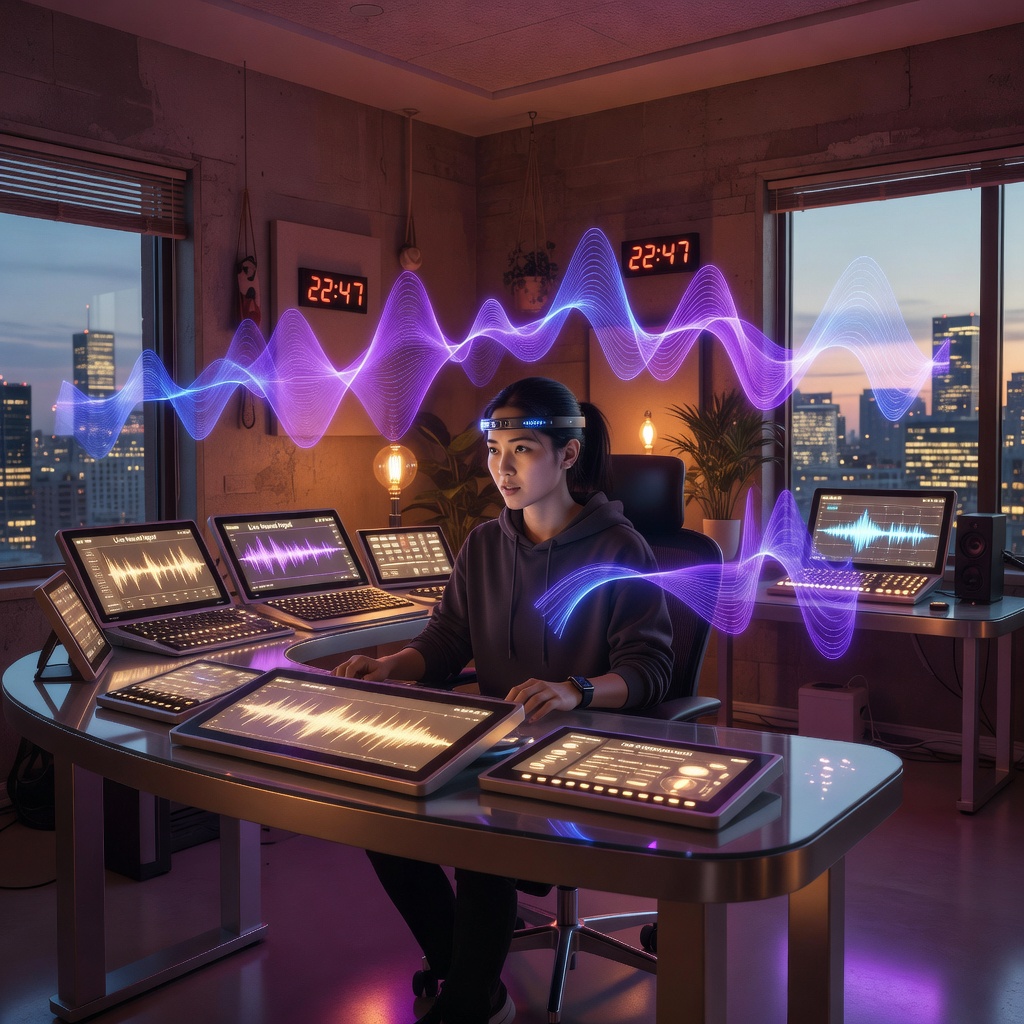
Outside the clinic, a quieter and more contested development is accumulating momentum. Non-therapeutic BCI applications, devices and systems aimed not at restoring lost function but at expanding the function of neurotypical users, are moving from research curiosity toward early commercial reality. Some of this is relatively modest: consumer-grade EEG headbands that claim to improve focus or sleep quality by providing neurofeedback, a category that mixes legitimate science with marketing overreach in proportions that vary by product. But at the more serious end of the spectrum, companies with serious technical pedigrees are developing systems designed to give cognitively healthy users quantifiable advantages in attention management, learning speed, and memory consolidation.
The social implications of that trajectory are neither simple nor settled. A technology that restores a paralyzed person's ability to hold a cup generates near-universal moral support. A technology that gives a hedge fund analyst faster pattern recognition, or a medical student faster rote memorization, generates a very different conversation, one that touches on competitive fairness, economic access, and what we actually mean when we talk about human merit and achievement. These are not hypothetical debates being conducted in philosophy seminars. They are live questions beginning to surface in academic integrity offices, in professional sports governance bodies, and in corporate HR discussions about cognitive enhancement in high-stakes occupations.
Neuralink, the Elon Musk-founded company that has attracted more public attention than any other single actor in the BCI space, sits at an interesting position in this conversation. Its stated near-term mission is therapeutic, focused on restoring function for people with severe neurological conditions. Its first human trial participant demonstrated the ability to control a computer cursor with thought alone after implantation. But the company's longer-term language has always pointed explicitly toward augmentation, toward a vision of human cognition enhanced by seamless digital integration. That dual identity, medical device company in the present, human augmentation platform in the future, shapes every regulatory, ethical, and investment conversation the company navigates.
What the Next Eighteen Months Actually Look Like
The near-term landscape, as opposed to the five-to-ten-year projections that dominate conference keynotes, involves a more granular set of developments. Several companies are expected to file for expanded FDA approval covering additional patient populations, potentially including people with ALS at earlier disease stages, which would significantly broaden the addressable clinical population. Wireless power and data transmission improvements are expected to allow the next cohort of fully implanted devices to eliminate transcutaneous connectors entirely, removing a persistent infection risk and a significant quality-of-life complaint from current implant recipients.
Software, meanwhile, may matter more than hardware over this interval. The decoders that translate neural signals into useful commands are improving at a pace that outstrips electrode hardware development, which means incremental hardware already implanted in existing patients can deliver meaningfully improved performance through software updates alone. That dynamic, familiar to anyone who has watched a smartphone grow more capable through iOS or Android updates without any change to the physical device, is beginning to apply to neural implants. Patients implanted two years ago are now demonstrating capabilities that did not exist at the time of their surgery, delivered entirely over the air.
Marcus, back in Columbus, has a software update scheduled for next Thursday. His care team expects it to improve fine motor resolution by roughly 15 percent, which in practical terms means he will be able to manage shirt buttons for the first time. He has been told not to get too excited until he tries it. He is, nevertheless, very excited. That is the real story of brain-computer interfaces in 2025: not the press releases or the funding rounds or the regulatory filings, but a person in an apartment, looking forward to Thursday, thinking about buttons.